
Lavender Tea Bread
Ah, Lavender Tea Bread! Just the thought of it conjures a gentle breeze filled with floral notes, transporting me to sunlit gardens where lavender blooms sway softly. This recipe is more than just a delightful treat; it’s a warm embrace, a moment of peace captured in each slice. When I bake this bread, I’m not just following a recipe; I’m participating in a ritual that connects me to nature, to memories of leisurely afternoons spent sipping tea and savoring the simple joys of life. The combination of fragrant lavender and sweet vanilla creates an intoxicating aroma that fills the kitchen, inviting everyone to gather around and indulge in something truly special. I promise you, this Lavender Tea Bread will become not just a recipe but a cherished family tradition.
This bread is perfect for those moments when you want to celebrate life’s little victories or simply treat yourself after a long day. Imagine serving it at a garden party or alongside afternoon tea, where each slice offers an unexpected yet delightful burst of flavor that dazzles your friends and family. The balance between the delicate floral essence and the sweetness of sugar is nothing short of extraordinary. You know, my friends often ask me why I love this bread so much, and I tell them it’s because it embodies comfort in its purest form—it’s like a hug from inside out.
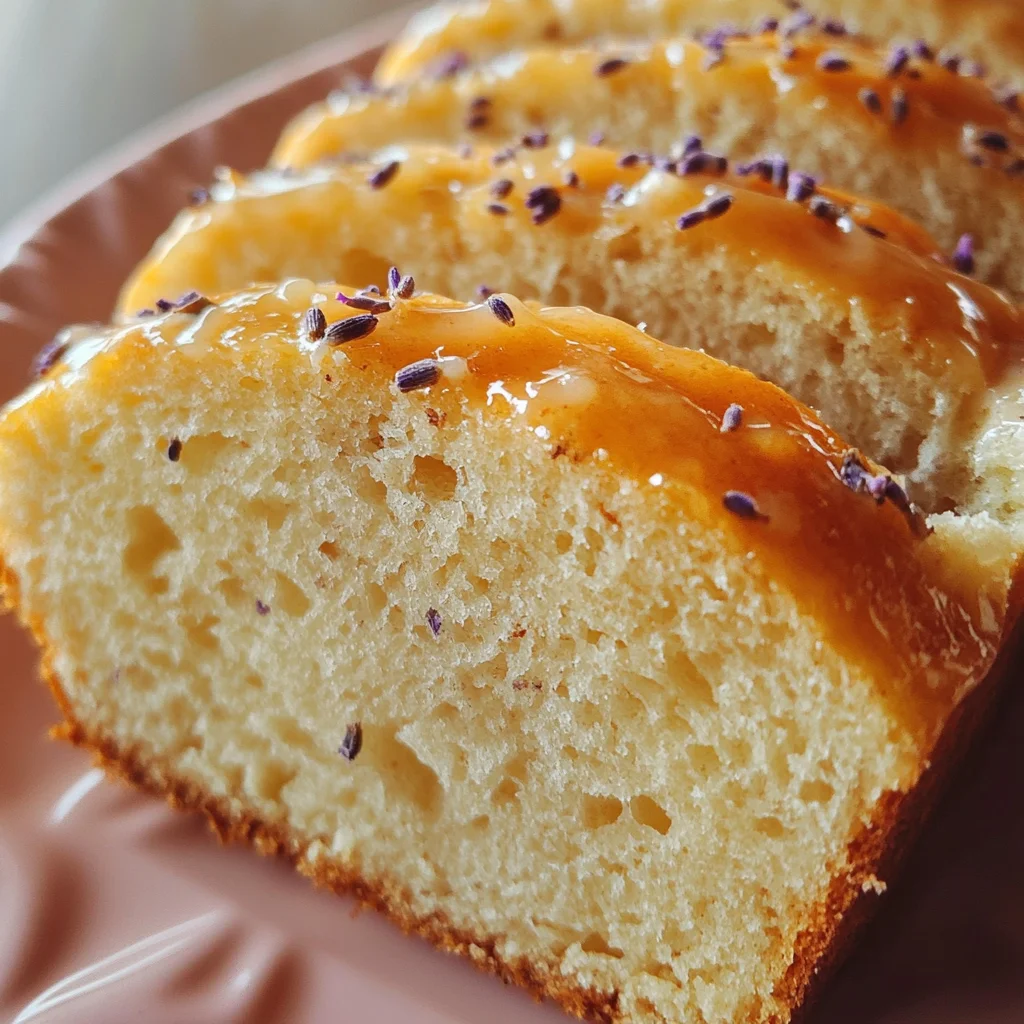
Lavender Tea Bread: A Slice of Serenity
Welcome to your next baking adventure! Making Lavender Tea Bread is not only incredibly enjoyable but also an opportunity to fill your home with enchanting scents and flavors. This bread is light yet moist, with the kind of sweetness that makes it perfect for breakfast or as an afternoon snack. Let’s dive into this culinary journey together!
Ingredients:
As we embark on this delicious endeavor, let’s take a moment to appreciate each ingredient that contributes to making our Lavender Tea Bread not just good but absolutely fantastic.
- 3/4 cup milk. This essential liquid gold adds moisture and richness to our bread, helping it develop that tender crumb we all crave. I always recommend using whole milk for the best results because its fat content enhances the overall texture and flavor. If you’re looking for alternatives, oat or almond milk can work too—just ensure they are unsweetened so you don’t alter the balance of flavors too much.
- 2 tablespoons dried culinary lavender. Here lies the star of our show! Using culinary lavender elevates this dish with its aromatic notes that dance harmoniously with the other ingredients. When selecting lavender, make sure it’s labeled as culinary grade—this ensures it’s safe for consumption and has been grown without chemical pesticides. And trust me on this—the fresher the lavender, the more vibrant your bread will be!
- 6 tablespoons butter (softened). Butter is crucial here because it creates that decadent richness we all adore in baked goods. Softened butter creams beautifully with sugar, leading to air incorporation which helps give our Lavender Tea Bread its lovely rise while baking. If you’re ever in doubt about whether it’s soft enough, remember—it should feel like room temperature cream cheese!
- 1 cup granulated sugar. Sugar isn’t just for sweetness; it plays multiple roles in baking! It helps with browning through caramelization, contributing to that beautiful golden crust we all love. Plus, sugar retains moisture in baked goods which keeps our bread fresh longer! Always opt for fine granulated sugar as it dissolves easily and helps create a lighter texture.
- 2 large eggs. Eggs are not just binders; they are magical ingredients that add structure and richness to our bread while helping it rise beautifully during baking due to their proteins setting up as they cook. Make sure your eggs are at room temperature before you start—this small detail makes mixing easier and ensures even cooking throughout.
- 1/2 teaspoon vanilla extract. Oh, vanilla! This fragrant essence is non-negotiable when baking something sweet; it enhances flavors beautifully without overpowering them. Always choose pure vanilla extract over imitation for better quality—your taste buds will thank you!
- 2 cups all-purpose flour. The backbone of our bread! Flour provides structure thanks to gluten development when mixed with wet ingredients—it’s what gives us that wonderful chewiness we enjoy in baked goods without being tough. When measuring flour, spoon it into your measuring cup and level off instead of scooping directly from the bag to avoid packing too much flour.
- 1 1/2 teaspoons baking powder. This leavening agent works hard behind the scenes by creating gas bubbles when activated by moisture and heat—resulting in that lovely rise we’re looking for! Always check your baking powder’s expiration date before using; if it’s past its prime, your bread might turn out dense instead of fluffy.
- 1/2 teaspoon salt. Salt may seem like an afterthought but trust me—it amplifies all those lovely flavors we’ve combined so far! It also strengthens gluten structure which aids in achieving that perfect texture while balancing out sweetness.
- 1/3 cup powdered sugar. We’ll use powdered sugar for our glaze since it dissolves easily into liquids without grittiness—creating that lovely sheen on top which is both pretty and adds another layer of sweetness!
- 2–3 teaspoons milk (for glazing). We’ll use this small amount at the end for our glaze—just enough to get that silky consistency without overpowering the other flavors in our dessert.
- 1/4 teaspoon vanilla extract (for glazing). Just like before, this little addition brings everything together beautifully while enhancing sweetness without being cloying!
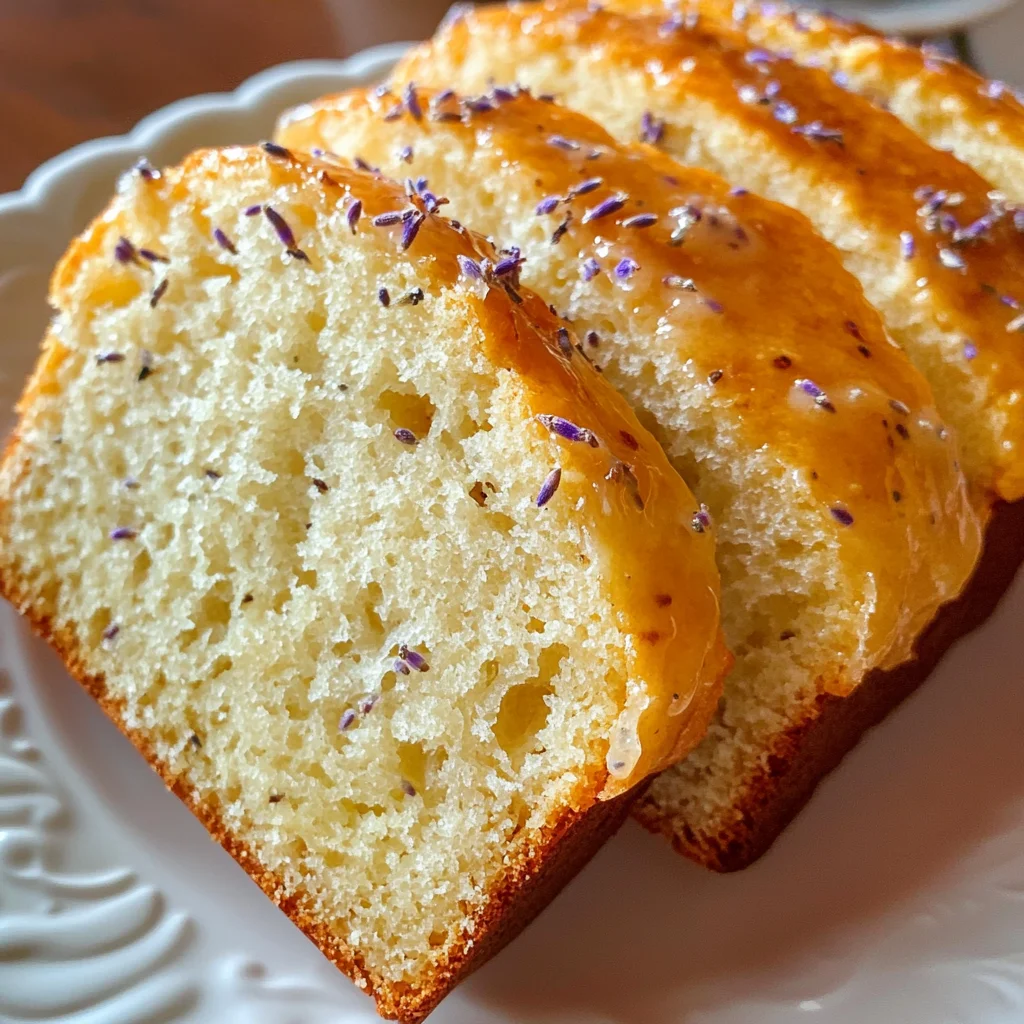
Equipment You’ll Need:
Having the right tools can make all the difference when bringing any recipe to life! In this case, they help streamline our process so you can channel all your energy into creating something wonderful rather than getting bogged down by technicalities.
- 9×5-inch loaf pan – This classic shape is perfect for our Lavender Tea Bread because its dimensions allow for even cooking throughout while helping achieve that gorgeous domed top we love seeing in loaves!
- Mixing bowls (large & medium) – A good set of mixing bowls allows us space to cream butter and sugar smoothly while keeping everything organized as we combine ingredients—this really helps keep chaos at bay during baking sessions!
- Whisk – Essential for aerating dry ingredients together like flour or whisking eggs until they’re frothy! A sturdy whisk does wonders when it comes time to blend mixtures evenly without lumps forming along the way.
- Rubber spatula or wooden spoon – These trusty companions are ideal when folding batter gently together post-mixing—you’ll want something gentle yet effective so as not to deflate all those lovely air bubbles created during creaming!
- Toothpick or cake tester – An absolute must-have tool in any baker’s arsenal! It takes all guesswork out regarding whether our loaf has cooked through perfectly; stick one into center towards end time frame recommended and see how cleanly it comes out!
Now let’s get started on preparing this delightful Lavender Tea Bread—you’re going to love every step along the way!
Step 1: Preheat Your Oven & Prepare Your Pan
First things first: let’s get that oven preheating at 325°F (163°C). Why do we do this? Preheating ensures we kickstart proper rising right from the get-go once those ingredients hit heat—a crucial step! While that’s happening, grab your trusty 9×5-inch loaf pan—a bit of grease followed by a dusting of flour will ensure nothing sticks later on as we transfer our beautiful creation out after baking.
Step 2: Infuse Milk with Lavendar
In a small saucepan over medium heat—and trust me here—you’ll pour in that lovely 3/4 cup milk along with those aromatic 2 tablespoons dried culinary lavender flowers. Heat them gently until they’re just simmering; you’re coaxing out every ounce of flavor from those blossoms into your milk base! Once you see tiny bubbles forming around edges—and oh my goodness doesn’t it smell divine?—remove from heat immediately allowing time for cooling slightly before using later on.
Step 3: Cream Butter & Sugar
Next up is perhaps one of my favorite moments—the creaming stage! In a large mixing bowl (you know—the one we prepared earlier), combine those soft 6 tablespoons butter along with 1 cup granulated sugar until smooth—as creamy as fresh whipped cream if done correctly! You’ll want an electric mixer here; beat them together until light-colored airy texture appears—this process known as “creaming” incorporates air into mixture resulting ultimately in fluffier baked goods down line…and who doesn’t want fluffiness?
Step 4: Add Eggs & Vanilla
Now let’s bring some life into our mixture by adding two large eggs one at time alongside half teaspoon vanilla extract previously set aside earlier on counter waiting patiently (what can I say? Good things come!). Beat well after each addition until fully incorporated—you should notice mixture becoming even lighter than before…so exciting right?!
Continue with these detailed steps through preparation until we reach completion…I can’t wait until you take your first bite—there’s nothing quite like homemade goodies straight from oven filled warmth & love.
Step 5: Introducing the Dry Ingredients – The Soul of Your Bread
Now that you’ve creamed your butter, sugar, eggs, and vanilla into a delightful mixture, it’s time to turn our attention to the dry ingredients. In a separate bowl, gather the flour, baking powder, and salt. This step is absolutely paramount because the baking powder acts as a leavening agent that gives your Lavender Tea Bread its light and airy texture. If you skip this or don’t mix them thoroughly, you might end up with a dense loaf that could rival a brick! So, whisk together the flour and baking powder to ensure they’re evenly combined; this will allow for even rising. Don’t forget the salt—this tiny ingredient plays a crucial role in enhancing flavors and balancing out the sweetness of the bread.
Next, we’ll incorporate these dry ingredients into our wet mixture in two parts. This technique is often referred to as alternate mixing, and it helps prevent overmixing—a common pitfall that can lead to gluten development, resulting in a chewy rather than tender loaf. Start by adding one-third of your flour mixture to the buttery goodness you have already created, then pour in half of your fragrant lavender-infused milk. Blend gently with a spatula or wooden spoon until just combined; it’s perfectly okay if there are some small lumps remaining—trust me on this! Repeat this process until all ingredients are combined. Remember, we want to treat our batter delicately; think of it as giving your Lavender Tea Bread a warm embrace rather than an aggressive shake!
Step 6: Pouring Into the Pan – The Moment of Truth
With your batter ready, it’s time for one of the most satisfying moments in baking: transferring that luscious mixture into your prepared loaf pan! Use a spatula to scrape down the sides of your mixing bowl and gently pour the batter into your greased and floured 9×5-inch pan. As you do this, take a moment to appreciate the beautiful lavender specks dancing within the golden batter—the visual alone will have you dreaming of sun-soaked English gardens! Once poured in, smooth out the top with your spatula. This not only creates an inviting appearance but also ensures even baking.
Now comes an important tip: Give your pan a gentle tap on the counter before placing it into the oven. This action helps release any air bubbles trapped within the batter that could disrupt its rise during baking. Trust me; this little step can make all the difference! Before sliding it into that preheated oven (which should be at 325°F), take a deep breath and relish this moment—you’re about to create something truly extraordinary! Bake for 45–50 minutes; I know this may feel like an eternity when you’re eager to taste, but patience is key here. You’ll know it’s almost done when your kitchen fills with an utterly intoxicating aroma that beckons friends and family alike.
Step 7: Baking to Perfection – The Transformation
As your Lavender Tea Bread bakes away in those comforting oven confines, let’s delve into what makes this process so magical! During these precious moments, several transformations are taking place: moisture is evaporating while sugars caramelize; proteins are coagulating; and most importantly, our beloved lavender essence is infusing itself throughout every inch of that batter. I promise you’ll want to keep an eye on it during those last few minutes—it’s astonishing how quickly things can change!
To test for doneness without ruining all your hard work, use a toothpick or cake tester inserted into the center of the loaf—it should come out clean or with just a few moist crumbs clinging to it. If there’s raw batter on it? Well my friend, put that loaf back in for another 5 minutes before testing again. When done correctly, your bread will have risen beautifully with a golden crust that feels slightly firm when touched but springs back just enough—a sign of its readiness! Keep in mind that every oven behaves differently; sometimes they run hotter or cooler than indicated on their dials. So trust your instincts—and remember, you’ve got this!
Step 8: Glazing – A Sweet Finishing Touch
Once you’ve pulled that beautiful loaf from the oven and placed it on a wire rack (don’t forget about cooling!), it’s time for one last flourish—the glaze! While your bread is still warm (but not hot), prepare this simple yet utterly enchanting glaze by whisking together powdered sugar with just enough milk and vanilla extract until smooth. Think of this glaze as liquid gold—it’s going to add sweetness and moisture while showcasing those delicate lavender notes beautifully.
Spread it generously over the top using an offset spatula or back of a spoon—let it cascade down the sides creating little drips that beckon anyone nearby to indulge just one slice (or maybe two). Why wait? The warmth from the bread will help set this glaze perfectly without turning it into syrupy goo—we want it glossy yet still slightly sticky for ultimate enjoyment. Allow everything to cool together for about 20 minutes before transferring directly onto a wire rack to cool completely; this prevents any sogginess from forming beneath while allowing air circulation around every side.
Conclusion:
As we come to the end of our delightful journey through this Lavender Tea Bread recipe, I hope you’re feeling just as excited as I am about creating this aromatic treasure in your own kitchen! From the moment you heat that milk infused with lavender to the final drizzle of glaze atop your warm loaf, each step is filled with magic that transcends mere baking. This recipe isn’t just about mixing ingredients; it’s about crafting an experience that brings joy to both the maker and those lucky enough to share in its delights. The symphony of floral notes combined with buttery sweetness creates something utterly extraordinary—every bite feels like a warm hug on a chilly day.
This Lavender Tea Bread is truly a must-try because it embodies not only incredible flavor but also the sheer joy of taking part in something meaningful. Imagine pulling this golden loaf from your oven—the rich aroma wrapping around you like an old friend—and slicing into its tender crumb while still warm. Whether you’re enjoying it on an ordinary Tuesday afternoon or serving it at an elegant garden party, it effortlessly elevates any occasion. Trust me when I say there’s something profoundly satisfying about sharing homemade treats with loved ones; it’s how memories are forged over cups of tea and laughter.
And let’s talk pairings! Imagine savoring one slice alongside a steaming cup of chamomile tea or perhaps with a refreshing glass of lemonade on a sunny afternoon—each sip complements those delicate lavender notes beautifully. For an afternoon pick-me-up, spread some honey butter over warm slices for an extra touch of indulgence; or if you’re feeling adventurous, try topping it with fresh berries for that burst of tartness against the sweet backdrop of lavender goodness. Oh, my friends, there are endless possibilities!
Feeling adventurous? This recipe is wonderfully adaptable; why not play around with different flavors? Consider adding lemon zest for brightness or swapping out some flour for almond flour for a nutty twist—each variation will create its own unique spin on this beloved classic! And if you’re inspired by seasonal ingredients, try incorporating dried fruits like cranberries or pistachios—each addition enhances not only texture but creates new layers of flavor that will dance across your palate! So get in there—experiment and let your creativity flourish! I can’t wait for you to try this recipe; please share your experiences—I’d love nothing more than hearing how this simple yet magnificent Lavender Tea Bread has brought warmth into your home!
Lavender Tea Bread
Lavender Tea Bread is a delightful, fragrant loaf that brings the essence of a sunlit garden into your kitchen. This easy-to-make bread combines the floral notes of culinary lavender with sweet vanilla, creating an aromatic treat perfect for breakfast, brunch, or afternoon tea. Each slice offers a tender crumb and a burst of flavor that feels like a warm hug, making it an ideal way to celebrate life’s little moments or share with loved ones. The subtle sweetness and enchanting aroma make this Lavender Tea Bread not just a recipe but a cherished tradition.
- Prep Time: 15 minutes
- Cook Time: 50 minutes
- Total Time: 1 hour 5 minutes
- Yield: Approximately 10 servings 1x
- Category: Dessert
- Method: Baking
- Cuisine: American
Ingredients
- 3/4 cup whole milk (or unsweetened plant-based alternative)
- 2 tablespoons dried culinary lavender
- 6 tablespoons softened butter
- 1 cup granulated sugar
- 2 large eggs
- 1/2 teaspoon pure vanilla extract
- 2 cups all-purpose flour
- 1 1/2 teaspoons baking powder
- 1/2 teaspoon salt
- 1/3 cup powdered sugar (for glaze)
- 2–3 teaspoons milk (for glaze)
- 1/4 teaspoon vanilla extract (for glaze)
Instructions
- Preheat your oven to 325°F (163°C) and grease a 9×5-inch loaf pan.
- In a small saucepan, heat the milk and lavender over medium heat until simmering. Remove from heat and let cool slightly.
- In a large bowl, cream the softened butter and sugar until light and fluffy. Add in eggs one at a time, mixing well after each addition, then stir in vanilla.
- In another bowl, whisk together flour, baking powder, and salt. Gradually add the dry mixture to the wet mixture in two parts, alternating with the lavender-infused milk.
- Pour batter into prepared loaf pan and smooth the top. Bake for 45–50 minutes or until a toothpick comes out clean.
- For the glaze, whisk powdered sugar with enough milk and vanilla until smooth; drizzle over the warm bread.
Nutrition
- Serving Size: 1 slice (45g)
- Calories: 160
- Sugar: 10g
- Sodium: 95mg
- Fat: 6g
- Saturated Fat: 4g
- Unsaturated Fat: 1g
- Trans Fat: 0g
- Carbohydrates: 24g
- Fiber: <1g
- Protein: 3g
- Cholesterol: 35mg