Dijon Baked Salmon
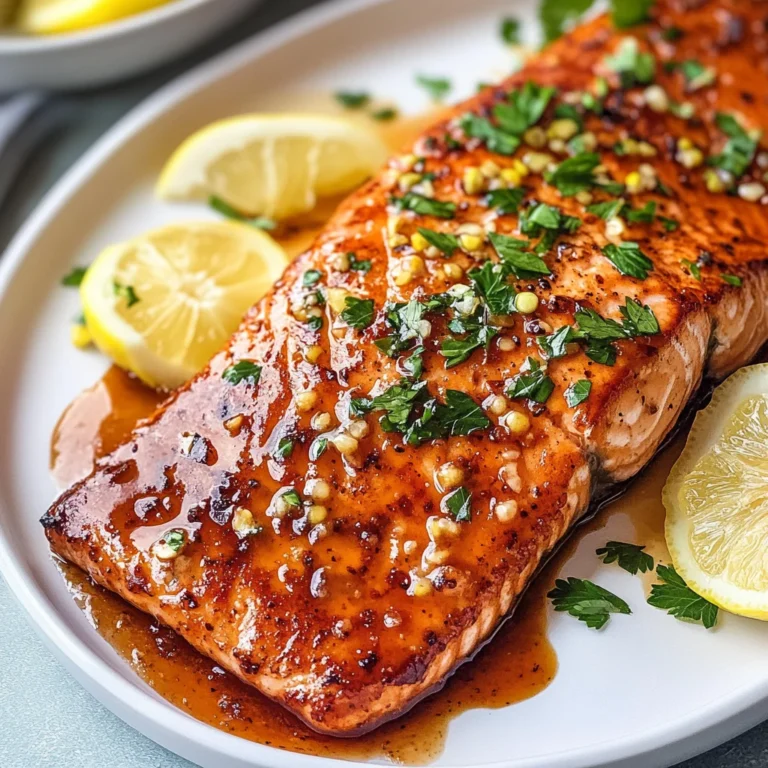
There’s something utterly magical about preparing a meal that feels like a warm embrace, and my Dijon Baked Salmon is just that. The moment you pull this dish from the oven, you’ll be greeted by the intoxicating aroma of garlic mingling beautifully with the tangy Dijon mustard and fresh parsley. It’s not just food; it’s an experience that wraps around you like a soft blanket on a chilly evening. The salmon emerges from the heat, flaky and tender, almost begging to be paired with your favorite side dish. I promise you, every bite is a symphony of flavors that brings both comfort and joy.
This recipe isn’t just about satisfying hunger; it’s about creating a connection—a bridge between tradition and innovation. You see, salmon has long been revered for its health benefits and rich flavor. It carries with it stories from family dinners and special occasions, yet this dish transforms it into something new and exciting. With just a handful of simple ingredients, we elevate this beautiful fish into a culinary masterpiece that’s not only good for you but also delightfully easy to make. Trust me when I say this Dijon Baked Salmon will become a cherished part of your dinner repertoire.
Dijon Baked Salmon: A Flavorful Journey in Under 30 Minutes
Let’s embark on this culinary adventure together! This Dijon Baked Salmon recipe is perfect for busy weeknights when time is short but flavor cannot be compromised. With prep taking just five minutes and cooking done in under twenty, it’s an ideal choice for any occasion—be it an intimate dinner or a festive gathering with friends.
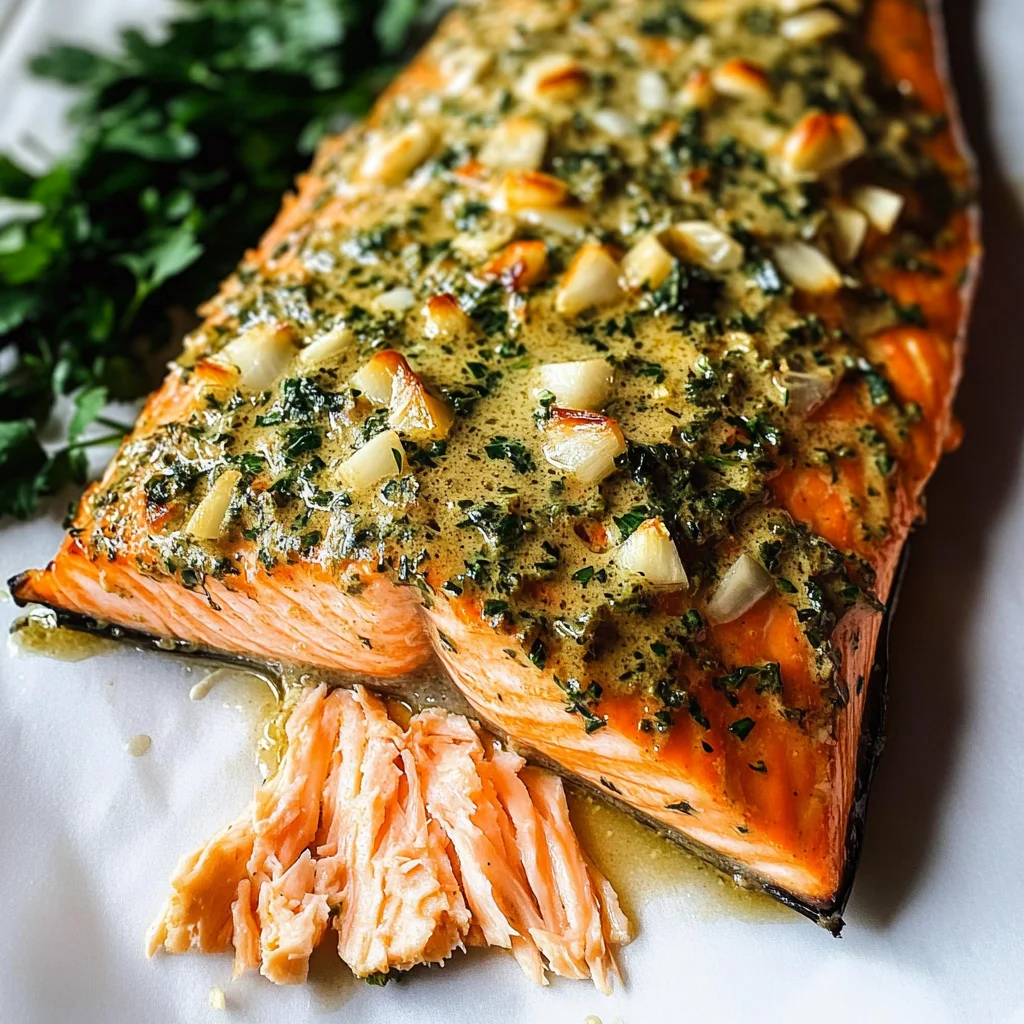
Ingredients:
As we dive into the list of ingredients, think of each one as an essential note in our delicious melody of flavors. They come together to create something truly extraordinary!
- 1 ½ pounds salmon (King, Sockeye or Coho salmon): Choosing the right type of salmon is crucial here. King salmon is celebrated for its rich flavor and buttery texture, while Sockeye offers a deeper color and robust taste. Coho strikes a balance between the two, making it versatile and delightful. When selecting your fish, look for vibrant colors and fresh scent—this means it’s at its peak quality. If you’re looking for alternatives, try using trout; it shares similar cooking characteristics and can be equally delicious!
- ¼ cup fresh parsley (finely chopped): Fresh herbs are an absolute game-changer in cooking! Parsley adds not only vibrant color but also a refreshing brightness that cuts through the richness of salmon beautifully. Make sure to chop it finely so that it integrates seamlessly into our mustard mixture; you want every bite to burst with flavor. If you’re out of parsley, dill could be an exciting substitute—its unique taste pairs wonderfully with fish.
- ¼ cup Dijon mustard: Ah, Dijon mustard—the secret weapon in our arsenal! Its zesty kick elevates the entire dish, infusing every morsel with depth. This ingredient provides both tanginess and creaminess without overpowering the delicate nature of the salmon. When choosing mustard, opt for whole grain or smooth varieties based on your preference; both will give us fantastic results.
- 1 tablespoon lemon juice: Freshly squeezed lemon juice lends acidity that brightens up all those delicious flavors we’re crafting. It acts as a balancing agent against the richness of the fish while enhancing its natural taste. Always use fresh lemons over bottled juice; trust me on this one—nothing compares to that invigorating burst of citrus straight from the fruit.
- 1 tablespoon extra-virgin olive oil: This golden liquid serves multiple purposes in our recipe—it adds moisture while helping to create that luscious crust on top of our salmon as it bakes. Plus, extra-virgin olive oil is packed with healthy fats! Look for oils labeled “cold-pressed” or “first cold extraction” for optimal flavor; these retain more nutrients compared to refined versions.
- 3 garlic cloves (finely chopped): Garlic is where things get really exciting! Its pungent aroma transforms when cooked, mellowing out into something sweet and savory that harmonizes beautifully with our other ingredients. Be sure to chop your garlic finely so its essence spreads throughout the dish without any overwhelming bites—after all, we want each forkful to sing!
- Salt and pepper (to taste): These staples may seem simple but are non-negotiable in any kitchen—they enhance every ingredient’s natural flavors! Start with a pinch of salt and freshly cracked pepper; you can always add more later if needed. Remember that different salts have varying intensities; sea salt or kosher salt work wonders here.
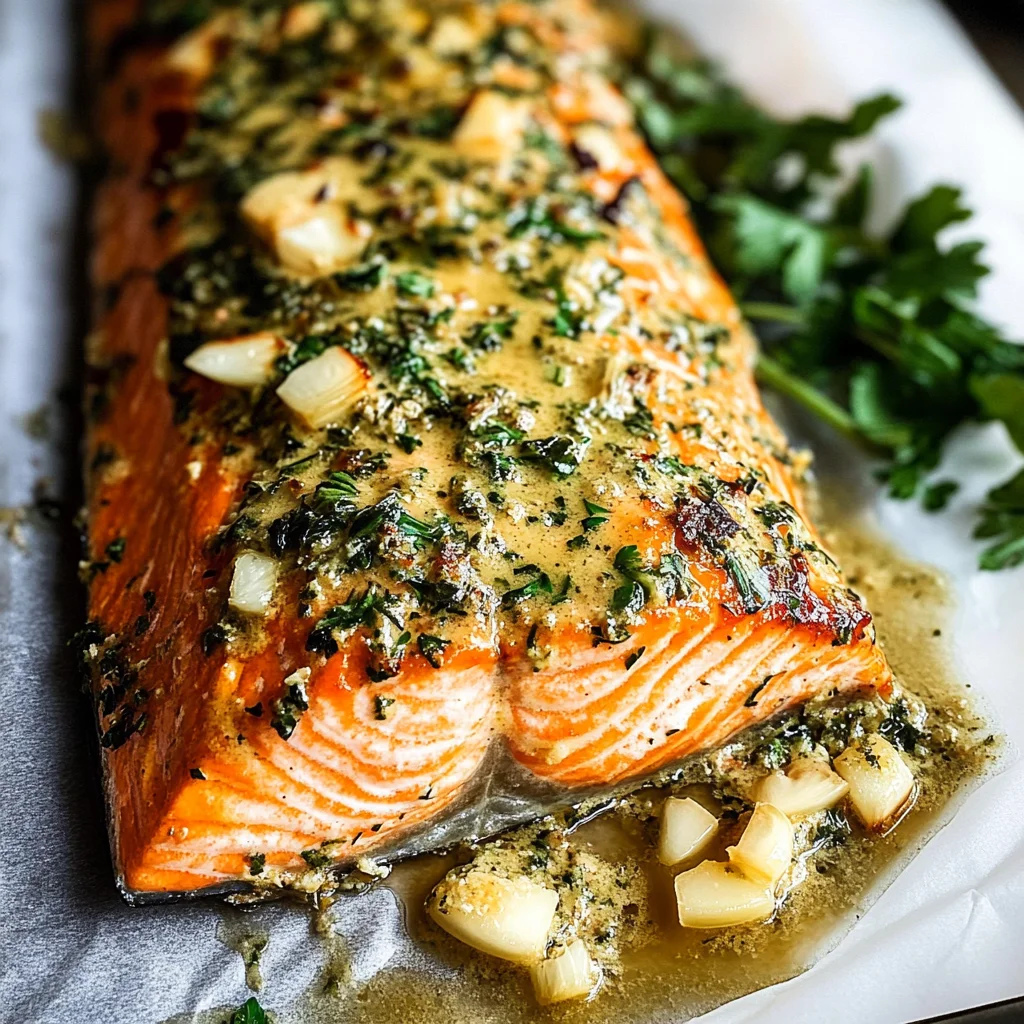
Equipment You’ll Need:
Before we start cooking up some magic in the kitchen, let’s gather our essential tools! Having the right equipment makes everything smoother—and believe me, there’s nothing worse than fumbling around when you’re excited to get started.
- Baking tray: A sturdy baking tray lined with parchment paper ensures even cooking while preventing sticking—a true ally in achieving perfectly baked salmon! Parchment paper also makes cleanup effortless—a win-win situation if you ask me!
- Mixing bowl: A medium-sized mixing bowl is perfect for combining all those vibrant ingredients into our herbed mustard mixture effortlessly. Choose one that’s easy to handle since you’ll be mixing vigorously!
- Knife and cutting board: A sharp knife makes chopping herbs like parsley or garlic a breeze while ensuring safety in your kitchen—you’ll want even cuts for uniform cooking! Invest in a good quality cutting board as well; wood or bamboo works great here.
Preparing the Dijon Baked Salmon
Step 1: Preheat Your Oven
First things first—let’s get that oven preheating to 375 degrees Fahrenheit! This step may seem mundane but trust me; it sets us up for success right from the start by ensuring that our salmon cooks evenly throughout without drying out. While that’s happening, take this time to gather your remaining ingredients so everything flows seamlessly once we start mixing!
Step 2: Crafting Our Flavorful Mixture
In your mixing bowl, combine ¼ cup Dijon mustard with ¼ cup finely chopped parsley, 1 tablespoon lemon juice, 1 tablespoon extra-virgin olive oil, and those aromatic garlic cloves you’ve chopped earlier along with salt and pepper to taste. As you mix these ingredients together—a beautiful blend emerges—the mustard’s tanginess melds effortlessly with herbaceous notes from parsley while citrus brightens everything up! Keep stirring until fully incorporated; this mixture will serve as our glorious topping.
Step 3: Prepare Your Salmon
Place your salmon fillet skin-side down on a parchment-lined baking tray—it’s okay if it’s slightly snug! Generously coat the top with your herbed mustard mixture using a spatula or even your hands if you prefer getting personal (I won’t judge!). This coating not only enhances flavor but also creates that delightful crust as it bakes away in the oven—a crucial step toward achieving ultimate tenderness without sacrificing taste.
Step 4: Bake Away!
Pop your beautifully coated salmon into the preheated oven for approximately 18–20 minutes depending on thickness—this brief baking time allows moisture retention while transforming our herbed topping into an irresistible golden crust! Keep an eye on it; you’ll know it’s ready when it flakes easily at the touch of a fork yet remains moist inside—an utterly satisfying sight!
Stay tuned because there’s still so much more excitement coming up in bringing this delightful dish together!
Step 5: Preparing Your Salmon for Baking
Now that we have our delightful herbed mustard mixture ready to go, it’s time to focus on the star of our dish—the salmon! Using 1 ½ pounds of fresh salmon fillets, you want to ensure they are of excellent quality because this is where the magic begins. I often opt for King, Sockeye, or Coho salmon as they are rich in flavor and nutrients. When selecting your salmon, look for vibrant color and firm texture; it should feel slightly moist but never slimy. This is crucial because fresh salmon will yield a more succulent result, which is precisely what we’re aiming for.
Once you’ve chosen your salmon, lay it skin-side down on a parchment-lined baking tray. Why parchment paper? It acts as a non-stick barrier between your fish and the tray while allowing even heat distribution. It also makes cleanup an absolute breeze! Now, grab that delicious herbed mustard mix we created—don’t be shy! Generously coat the top of the salmon with this mixture, making sure it covers every inch of the surface. Trust me on this; each bite will be bursting with flavor when you do. As you spread it on, use the back of a spoon or a spatula to create an even layer; this helps in achieving that glorious crust we all desire.
Step 6: The Art of Baking
With our salmon lovingly coated and prepared, it’s finally time to place it in a preheated oven at 375 degrees Fahrenheit. Why preheat? This step ensures that your salmon cooks evenly from the very first moment it hits the oven—no one wants a beautifully seasoned exterior with an undercooked interior! As you slide your baking tray into the oven, take a moment to appreciate the aromas wafting through your kitchen; it’s utterly intoxicating and sets the stage for what’s to come.
Set your timer for 18 to 20 minutes; however, keep in mind that cooking times can vary based on the thickness of your salmon fillets. A general rule of thumb is about 4-6 minutes per half-inch of thickness. If you’re unsure—as I often am—use a fork to gently flake apart a bit of the thickest part after around 18 minutes. You’ll want to see that gorgeous light pink color transitioning into opaque white as it flakes beautifully apart. If it’s still too raw for your liking, simply pop it back in and check every couple of minutes until it’s just right. Remember, patience is key here; overcooking can easily lead to dry salmon—and nobody wants that!
Step 7: Perfecting Your Salmon’s Texture
As your Dijon baked salmon bakes away in the oven, let’s talk about texture—an essential element that transforms our dish from good to extraordinary! The goal here is flaky yet moist salmon that practically melts in your mouth. To achieve this perfect texture, I recommend keeping an eye on visual cues during cooking: when there’s just the slightest hint of white protein coming out at the edges (this is called albumin), that’s when you know you’re close.
But why does this happen? As fish cooks, proteins denature and firm up; if cooked too long, those proteins will tighten excessively and push out moisture—resulting in dryness. So when you see that delicate transformation starting at around 15-18 minutes into baking time, start testing for doneness! Just remember not to rush; every precious minute counts towards achieving that profoundly satisfying mouthfeel.
Step 8: The Grand Finale—Serving Your Dijon Baked Salmon
After what feels like an eternity (though really only about 20 minutes!), you’re ready to pull out your masterpiece from the oven. Take a moment here—breathe in deeply! The fragrant blend of mustard and garlic fills your kitchen with warmth and comfort. Using a spatula or fish turner, carefully transfer each portion onto individual plates or a serving platter while ensuring you preserve that beautiful crust on top.
Now comes one final touch: serving! I find that garnishing with additional freshly chopped parsley creates not only a lovely presentation but also introduces fresh notes that elevate each bite even further. Serve alongside lemon wedges so guests can squeeze their own bright citrus over their portions if they wish—it adds an exhilarating zing! You can even pair this dish with sides like roasted vegetables or quinoa for an aesthetic showcase worthy of any dinner table.
I promise you; this Dijon baked salmon will become an instant favorite in your home—a healthy yet indulgent meal made effortlessly within half an hour! And as always, share with friends or family because nothing brings people together like food made with love and passion. Enjoy every last bite!
Storage and Enjoyment Tips for Your Dijon Baked Salmon
Now that you’ve mastered the art of creating this Dijon Baked Salmon, it’s time to embrace the delightful journey that follows: enjoying every last bite! The beauty of cooking is not just in the act itself but in how we savor our creations. If you find yourself with leftovers—a rare occurrence, I assure you—let’s talk about how to preserve that mouthwatering flavor for another day.
Storing Leftover Dijon Baked Salmon
To keep your Dijon Baked Salmon as scrumptious as when it first came out of the oven, make sure to use an airtight container. Glass containers work beautifully, holding in moisture while preventing any unwanted odors from mingling in your fridge. You can safely store your salmon for up to three days; however, I recommend enjoying it fresh on the first night if possible. To maintain its incredible quality, you might even consider placing a slice of bread in with the salmon—this little trick helps absorb excess moisture, ensuring your fish remains flaky and tender! When you’re ready to enjoy it again, simply reheat gently in the oven or microwave; trust me, it will still deliver those tantalizing flavors that make this dish truly special.
Freezing Dijon Baked Salmon for Later
If you want to take your meal prep game up a notch, freezing portions of your Dijon Baked Salmon is a fantastic option! It’s incredibly simple: allow your salmon to cool completely before wrapping individual pieces tightly in plastic wrap and then placing them in a freezer-safe bag or container. This way, you’ll retain all those vibrant flavors for up to three months! When you’re ready to indulge again, just pull a piece from the freezer and let it thaw overnight in the fridge. This makes weeknight dinners so much easier—imagine having a gourmet meal at your fingertips whenever cravings hit. Plus, there’s something so satisfying about knowing you’ve prepared a wholesome option ahead of time!
Dijon Baked Salmon
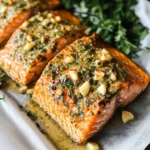
Dijon Baked Salmon is a delightful dish that transforms ordinary weeknight dinners into extraordinary culinary experiences. This recipe features succulent salmon fillets coated in a zesty Dijon mustard mixture, enhanced with fresh parsley and aromatic garlic.
- Prep Time: 5 minutes
- Cook Time: 20 minutes
- Total Time: 25 minutes
- Yield: Approximately four servings 1x
- Category: Main
- Method: Baking
- Cuisine: Seafood
Ingredients
- 1 ½ pounds salmon (King, Sockeye, Coho, or trout)
- ¼ cup fresh parsley (finely chopped)
- ¼ cup Dijon mustard
- 1 tablespoon lemon juice
- 1 tablespoon extra-virgin olive oil
- 3 garlic cloves (finely chopped)
- Salt and pepper (to taste)
Instructions
- Preheat the oven to 375°F (190°C).
- In a mixing bowl, combine Dijon mustard, chopped parsley, lemon juice, olive oil, garlic, salt, and pepper until well blended.
- Place the salmon skin-side down on a parchment-lined baking tray and generously coat with the mustard mixture.
- Bake for 18–20 minutes or until the salmon flakes easily with a fork.
Nutrition
- Serving Size: 1 fillet (170g)
- Calories: 292
- Sugar: 1g
- Sodium: 680mg
- Fat: 18g
- Saturated Fat: 3g
- Unsaturated Fat: 13g
- Trans Fat: 0g
- Carbohydrates: 5g
- Fiber: 0g
- Protein: 29g
- Cholesterol: 75mg