Vanilla Tea Cakes Recipe
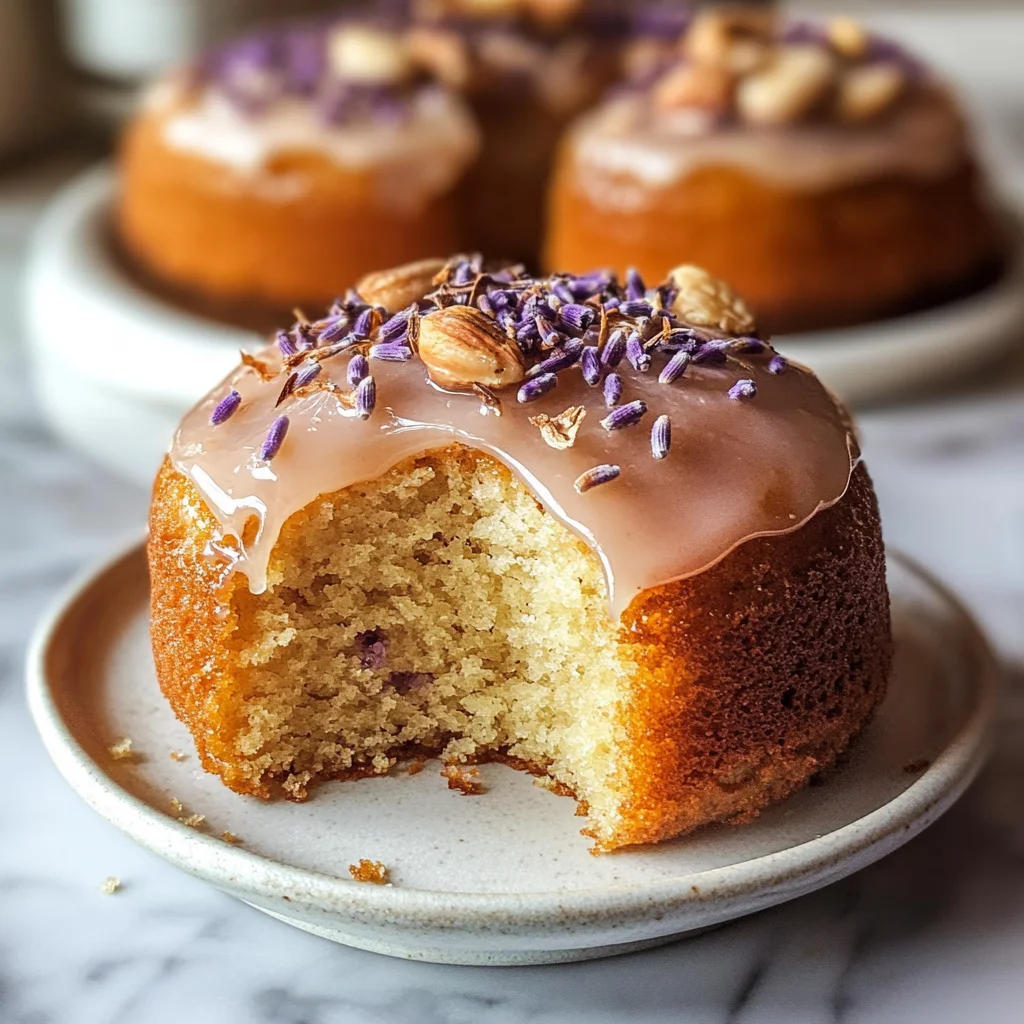
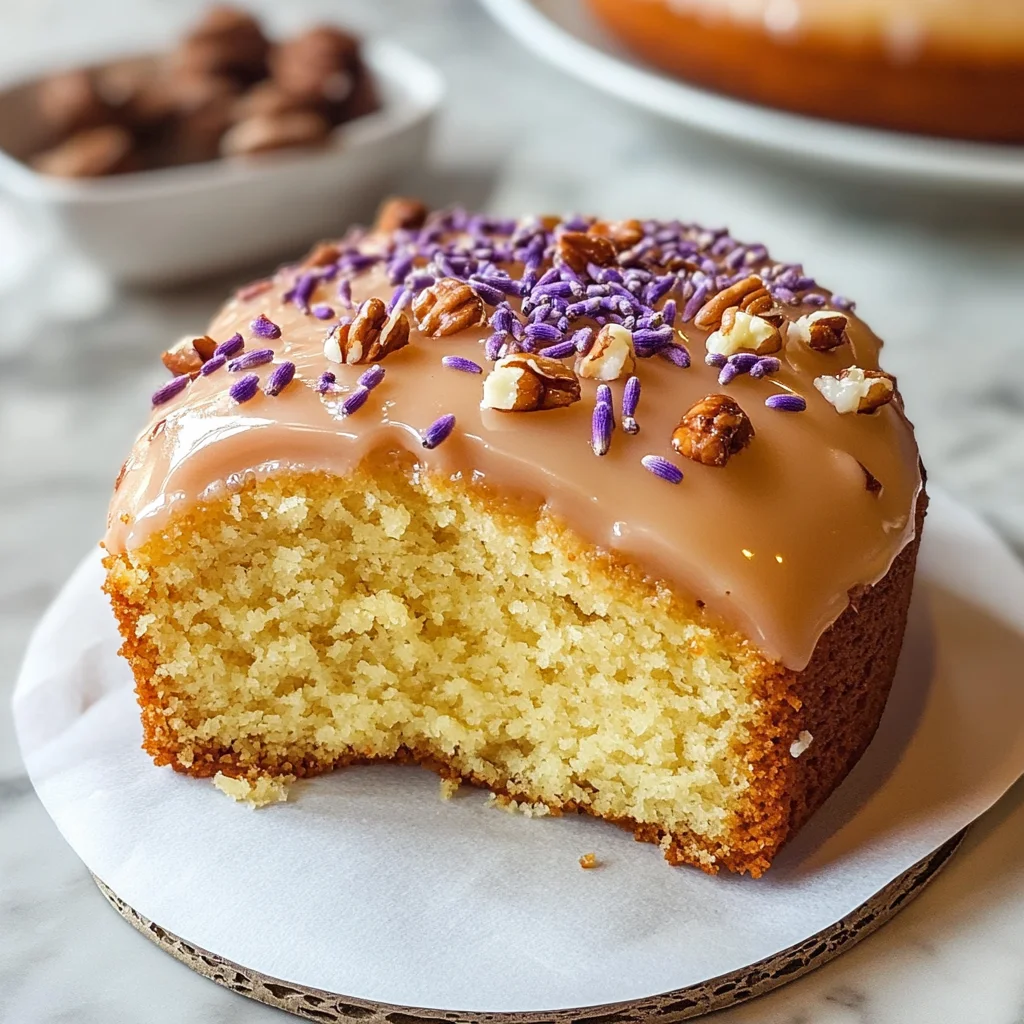
There’s something profoundly magical about baking that transcends mere nourishment. It’s an experience that brings together the sweet aroma of vanilla, the delicate hint of lavender, and the warmth of a cozy kitchen where memories are made. Each Vanilla Tea Cake is not just a dessert; it’s a little bundle of joy, waiting to be shared and savored, much like the love and care that goes into crafting them. This Vanilla Tea Cakes Recipe is an ode to simple pleasures, embodying the essence of comfort and celebration in every bite. Imagine taking a leisurely afternoon tea with friends, each cake perfectly soft and bursting with flavor, while a drizzle of lavender glaze adds an elegant touch. I promise you, these cakes will transport you to sun-dappled gardens where laughter flows as freely as the tea.
Now, let me tell you why this recipe holds such a special place in my heart. Growing up, tea time was a cherished ritual in my family; it was when we gathered together to share stories, dreams, and laughter over delightful bites. This particular recipe for Vanilla Tea Cakes has been passed down through generations, infused with love and sprinkled with our family’s unique twists. The combination of rich butter and aromatic extracts creates a symphony of flavors that dances on your palate, while the culinary lavender adds a surprisingly sophisticated note that elevates these mini delights beyond the ordinary. Whether it’s for a casual get-together or a more festive occasion, these tea cakes are sure to impress and delight anyone lucky enough to taste them.
Vanilla Tea Cakes Recipe: A Delightful Treat for Any Occasion
Welcome to this delightful journey into baking! Today I’m thrilled to share my treasured recipe for Vanilla Tea Cakes—a perfect harmony of flavor and texture topped with an uncomplicated yet exquisite Lavender Glaze. These dainty cakes are not just incredibly delicious; they’re also versatile enough to shine at any gathering from casual brunches to elegant afternoon teas. So grab your apron and let’s dive into this culinary adventure together!
Ingredients:
As we embark on this delicious journey together, it’s essential to understand each ingredient’s role in creating these lovely tea cakes. Each component plays its part like instruments in an orchestra, contributing to the overall harmony of flavors.
- 1/2 cup Unsalted Butter (at room temperature): This is crucial for achieving that light, airy texture we desire in our Vanilla Tea Cakes Recipe. When softened adequately, unsalted butter allows us to cream it with sugar effectively—this process is what gives our cakes their tender crumb and rich flavor. If your butter is too cold or melted before use, it won’t emulsify properly when combined with sugar, leading to dense cakes instead of fluffy delights.
- 1 1/4 cup Granulated Sugar: Sugar isn’t just about sweetness; it’s essential for texture as well. The granulated sugar dissolves during creaming with the butter and helps create air pockets that contribute to leavening as the batter bakes—think of it as tiny bubbles expanding in the oven! Always choose high-quality sugar for optimal results; it makes a world of difference in how these cakes turn out.
- 2 Eggs (at room temperature): Eggs are the binding agents in our recipe; they provide structure while adding moisture and richness. Using eggs at room temperature ensures they blend seamlessly into the batter without cooling down the mixture too drastically—a key factor in maintaining that desired fluffiness.
- 2 teaspoons Vanilla Extract: Vanilla extract is like liquid gold in baking! It infuses our cakes with its warm aroma and complex flavor profile—trust me when I say no substitute can replicate its depth. For an even more profound taste experience, opt for pure vanilla extract rather than imitation varieties.
- 1 teaspoon Almond Extract: This is where things get interesting! Almond extract brings a subtle nuttiness that pairs beautifully with vanilla. Just remember—it’s potent stuff! A little goes a long way in enhancing the overall flavor without overpowering it.
- 2 cups Cake Flour: Unlike all-purpose flour which can yield denser baked goods due to its higher protein content, cake flour gives our tea cakes their tender crumb by having less gluten formation during mixing—making them soft yet structured.
- 1 teaspoon Baking Soda: Baking soda acts as a leavening agent here; it reacts with acidic ingredients (like buttermilk) during baking to produce carbon dioxide bubbles that make our cakes rise beautifully! Ensure your baking soda is fresh because old leavening agents can lead to flat results.
- 1/2 teaspoon Salt: While salt may seem like an afterthought, it’s absolutely paramount! It enhances sweetness while balancing flavors throughout—without it, your cakes might taste flat or unremarkable.
- 1/2 cup Plain Yogurt: Yogurt not only contributes moisture but also aids in achieving that desirable tanginess which sets our tea cakes apart from traditional ones! Plus, its acidity works hand-in-hand with baking soda for optimal rise.
- 1/2 cup Buttermilk: Similar to yogurt buttermilk lends both tenderness and flavor depth while helping maintain moisture levels within our cakes—trust me when I say skipping this step would mean losing out on some exquisite taste!
- 1/3 cup Whole Milk: Whole milk adds extra richness while ensuring proper blending of dry ingredients into wet ones—the result? A beautifully cohesive batter!
- 1 tablespoon Dried Culinary Lavender Buds: Ahh—the star ingredient! Culinary lavender buds add an aromatic floral note reminiscent of springtime gardens—a subtle yet sophisticated twist you won’t soon forget!
- 2 1/2 cups Sifted Powdered Sugar: Powdered sugar is what brings our glaze together; sifting ensures no lumps form so we achieve that silky smooth consistency when combining it later on!
- 1 teaspoon Vanilla Extract (for glaze): We’ll incorporate even more vanilla into our glaze because one can never have too much! It rounds out sweetness while reinforcing aromatic qualities present within the cake itself!
- Optional Culinary Dried Lavender for Sprinkling Over Teacakes: If you want your presentation game strong (and trust me—you do!), sprinkling additional dried lavender atop finished cakes will leave everyone swooning over both appearance & fragrance!
Equipment You’ll Need:
Before we dive into this delightful process of making these enchanting tea cakes together, let’s talk about some essential tools you’ll need by your side. Having the right equipment truly makes all the difference between simply following instructions and creating something extraordinary.
- Mixing Bowls – A sturdy set of mixing bowls is essential for combining ingredients efficiently—choose glass or stainless steel over plastic as they provide better stability when whisking vigorously or creaming butter & sugar together.
- Electric Mixer (Stand or Handheld) – This trusty companion will become indispensable during mixing time! An electric mixer takes away much of the elbow grease required compared to manual mixing methods—and trust me on this one—it makes achieving fluffy batters much easier!
- Measuring Cups & Spoons – Precision matters immensely when baking—it ensures every element interacts harmoniously within recipes’ chemistry! Invest in good quality measuring tools so there’s no guesswork involved along our journey together!
- Rubber Spatula – This versatile tool helps scrape down sides of bowls easily while also folding delicate mixtures without deflating them—a non-negotiable item if you want perfect results every time!
Preparing the Vanilla Tea Cakes Recipe
Step 1: Cream Butter and Sugar Together
Let’s kick things off by preheating your oven to 350°F (175°C)—this ensures everything bakes evenly right from start! Next up? Grab your mixing bowl and combine that beautifully softened unsalted butter with granulated sugar using either your electric mixer or handheld whisk until lightened in color & fluffy—this process known as creaming incorporates air into those fats which translates directly into loftier cake textures once baked! Expect around 5–7 minutes here; don’t rush this step because patience pays off big time—you want those lovely air pockets forming perfectly within mixture!
Step 2: Add Eggs One at a Time
Once you’ve achieved peak fluffiness through creaming? It’s time for eggs’ grand entrance! Crack them one at a time directly into your butter-sugar mixture while continuing mixing on low speed—this allows egg proteins fully integrate without curdling prior components around edges before getting incorporated entirely which could lead us astray if rushed through process instead! Keep beating until everything looks homogenous again—it should take roughly another minute or two max depending on speed used earlier.
Step 3: Incorporate Extracts
Next comes adding those fragrant extracts—vanilla first followed closely behind by almond—and give everything another quick mix until just combined altogether using medium speed setting briefly—no need going overly aggressive here; too much aeration could jeopardize structural integrity later down road once heat hits batter during baking phase ahead…
Step 4: Combine Dry Ingredients
Now let’s shift gears towards incorporating dry elements carefully so as not disrupt previous work put forth thus far—we’ll sprinkle cake flour alongside baking soda/salt mixture over existing wet contents before gently folding everything together using rubber spatula till barely combined without any visible flour streaks remaining visible throughout mixture itself—that means watch closely now because overmixing leads directly towards dense outcomes later rather than light airy goodness desired from these delightful little treats awaiting completion ahead…
Baking Your Perfect Vanilla Tea Cakes Recipe
Step 5: Whisking Together the Dry Ingredients
Now that our wet ingredients are beautifully combined, it’s time to turn our attention to the dry ingredients. In a separate bowl, take your 2 cups of cake flour, 1 teaspoon of baking soda, and 1/2 teaspoon of salt. Using a fine-mesh sieve or a whisk, combine these elements thoroughly—this is more than just mixing; it’s about aerating the flour and evenly distributing the leavening agent. Why is this step crucial? Well, when we sift together our dry ingredients, we’re ensuring that our vanilla tea cakes will rise beautifully and have a light, fluffy texture that simply melts in your mouth. A dense cake is often a result of poorly mixed dry ingredients, so take that extra couple of minutes to really mix them well! You’ll want to see a lovely uniform color throughout—no lumps allowed!
Once everything is nicely combined, set this bowl aside for now. This pause before the magic happens is essential—it allows the baking soda to start reacting with any acidic components in the wet mixture once we combine them later on. Trust me on this; you’re laying the groundwork for those heavenly pockets of air that will transform your cakes into something truly extraordinary.
Step 6: Folding in the Wet and Dry Ingredients
With both mixtures at hand—our luscious wet combination and our fluffy dry blend—it’s time for a dance! It’s crucial to approach this step with care; think of it as gently folding a delicate fabric rather than stirring vigorously like you’re in a race. Begin by adding about one-third of your dry mixture into the wet batter. Use a spatula or wooden spoon for this task, and fold gently until just combined. You’ll notice that your batter starts to come together beautifully; it should be somewhat thick but still pourable.
After you’ve incorporated the first third, add half of your 1/2 cup plain yogurt and 1/2 cup buttermilk, folding again gently until no streaks remain. The yogurt and buttermilk are key here—they not only add moisture but also contribute to that tender crumb we all adore in a perfect tea cake. By introducing these ingredients gradually, you allow each component to fully meld together without overmixing, which can lead to tough cakes—a fate we definitely want to avoid! Continue alternating between adding dry ingredients and moistening elements until everything is just combined. Remember: lumps are okay! Avoiding overmixing is absolutely paramount at this stage.
Step 7: Infusing with Flavor – Adding Lavender
Ah, now comes one of my favorite parts—the infusion of flavor! As I mentioned earlier, we’re incorporating 1 tablespoon of dried culinary lavender buds into our batter. This step isn’t merely about adding an ingredient; it’s about creating an experience—a symphony of flavors that will dance on your palate with every bite. Gently fold in those aromatic lavender buds right at the end after all other ingredients are beautifully mixed. The calming scent will start enveloping your kitchen as soon as they hit the batter!
Why lavender? Well, its floral notes complement vanilla’s warmth perfectly, creating an utterly intoxicating aroma that will make your heart flutter before you even take a bite. Be mindful not to overwork your batter here again; just a few gentle folds should do it. You want those lovely lavender buds distributed evenly without breaking them down too much—after all, we want their essence preserved for that final magical touch.
Step 8: Preparing for Baking – Filling Your Pans
Alright, my fellow bakers! We’ve reached an exciting moment where we’re finally ready to fill our prepared mini cake pans! Now, if you don’t have mini cake pans but still wish to embark on this journey (which I wholeheartedly encourage), muffin tins work wonderfully too! Grease each cavity lightly with butter or cooking spray and consider lightly dusting them with flour as well—this ensures easy release and keeps those golden edges intact.
Using either a piping bag or two spoons (whatever works best for you), fill each cavity about two-thirds full with batter. This gives them room to rise without overflowing into sad little puddles outside their designated homes! While they bake, envision how beautiful they’ll look topped with that stunning lavender glaze we’re about to make—trust me when I say patience is key here as well; don’t rush filling up those pans!
Step 9: Baking Your Vanilla Tea Cakes
Finally! The moment has arrived—we’re ready to pop these beauties into the oven at 350°F (about 175°C)! Bake for around 15-20 minutes, but keep an eye on them after about 15 minutes because oven temperatures can vary quite a bit from one kitchen to another. You’ll know they’re done when they spring back lightly when touched or when a toothpick inserted into the center comes out clean or with just a few moist crumbs clinging onto it—not wet batter!
As they bake away, let yourself get lost in the heavenly aroma wafting through your kitchen—each breath reminding you why you embarked on this delightful journey in the first place. It’s normal for them to puff up slightly during baking; what’s not normal is if they sink back down after coming out—that indicates underbaking or possibly too much moisture in your batter.
Once baked to perfection, remove them from the oven and allow them cool in their pans for about 5-10 minutes before transferring them onto wire racks—a critical step as it allows steam to escape while preventing sogginess from forming at the bottom.
Conclusion:
As we wrap up this delightful journey through my cherished Vanilla Tea Cakes Recipe, I can’t help but feel a bubbling excitement about sharing this experience with you. Each step along the way—from selecting quality ingredients to watching those golden cakes rise—is infused with love and care that transforms simple components into something truly extraordinary. The fragrant notes of vanilla paired with subtle hints of almond create a symphony of flavors that dance across your palate, while the delicate lavender glaze adds an utterly intoxicating touch that elevates each cake beyond mere dessert.
This recipe is not just about taste; it’s about creating moments filled with laughter and joy around the table. Imagine pulling those fluffy mini cakes from your oven—your kitchen filled with warm aromas that beckon everyone closer. These tea cakes shine at any occasion: be it an afternoon gathering with friends, a sweet surprise for loved ones, or even as delightful additions to holiday celebrations. Each bite offers profound satisfaction—a testament to your culinary skills that will leave everyone asking for seconds.
For pairing suggestions, imagine savoring one alongside a steaming cup of chamomile tea as you unwind after a long day, or perhaps with a dollop of whipped coconut cream for an indulgent twist during brunch gatherings. And if you’re feeling adventurous? Consider drizzling them with a homemade citrus glaze for an exciting zing! This recipe is wonderfully adaptable—try swapping out lavender for other herbs like rosemary or even experimenting with different extracts such as lemon or orange zest.
I encourage you wholeheartedly to try this Vanilla Tea Cakes Recipe in your kitchen and share it with those you love! Cooking is all about connection and creativity—so why not make it personal? Your journey begins now; roll up those sleeves and dive in! I can’t wait to hear about your experiences so don’t hesitate to reach out and share your stories; let’s celebrate our love for baking together!
Vanilla Tea Cakes
Indulge in the delightful world of baking with this Vanilla Tea Cakes Recipe. These charming mini cakes are soft, fluffy, and bursting with rich vanilla flavor, making them the perfect treat for any occasion. Topped with a luscious lavender glaze, each cake offers a sophisticated twist that’s sure to impress your guests. Picture yourself sharing these enchanting bites during an afternoon tea gathering or at a cozy brunch with friends. With simple ingredients and straightforward instructions, you’ll find joy in every step of crafting these beautiful treats. Get ready to create sweet memories in your kitchen!
- Prep Time: 20 minutes
- Cook Time: 20 minutes
- Total Time: 40 minutes
- Yield: Approximately 12 mini cakes 1x
- Category: Dessert
- Method: Baking
- Cuisine: American
Ingredients
- 1/2 cup Unsalted Butter (at room temperature)
- 1 1/4 cup Granulated Sugar
- 2 Eggs (at room temperature)
- 2 teaspoons Vanilla Extract
- 1 teaspoon Almond Extract
- 2 cups Cake Flour
- 1 teaspoon Baking Soda
- 1/2 teaspoon Salt
- 1/2 cup Plain Yogurt
- 1/2 cup Buttermilk
- 1/3 cup Whole Milk
- 1 tablespoon Dried Culinary Lavender Buds
- 2 1/2 cups Powdered Sugar (for glaze)
- 1 teaspoon Vanilla Extract (for glaze)
Instructions
- Preheat your oven to 350°F (175°C). Grease mini cake pans or muffin tins.
- Cream together the softened butter and granulated sugar until light and fluffy.
- Add eggs one at a time, mixing well after each addition. Stir in vanilla and almond extracts.
- In a separate bowl, whisk together cake flour, baking soda, and salt.
- Gradually add the dry mixture to the wet ingredients, folding gently to combine.
- Incorporate yogurt, buttermilk, and whole milk until just mixed.
- Fold in dried culinary lavender buds.
- Fill prepared pans two-thirds full with batter and bake for 15-20 minutes until golden.
- Allow cakes to cool before glazing with a mixture of powdered sugar, vanilla extract, and enough milk for desired consistency.
Nutrition
- Serving Size: 1 mini cake (45g)
- Calories: 180
- Sugar: 15g
- Sodium: 120mg
- Fat: 7g
- Saturated Fat: 4g
- Unsaturated Fat: 2g
- Trans Fat: 0g
- Carbohydrates: 27g
- Fiber: <1g
- Protein: 3g
- Cholesterol: 35mg