
Rustic German Bread
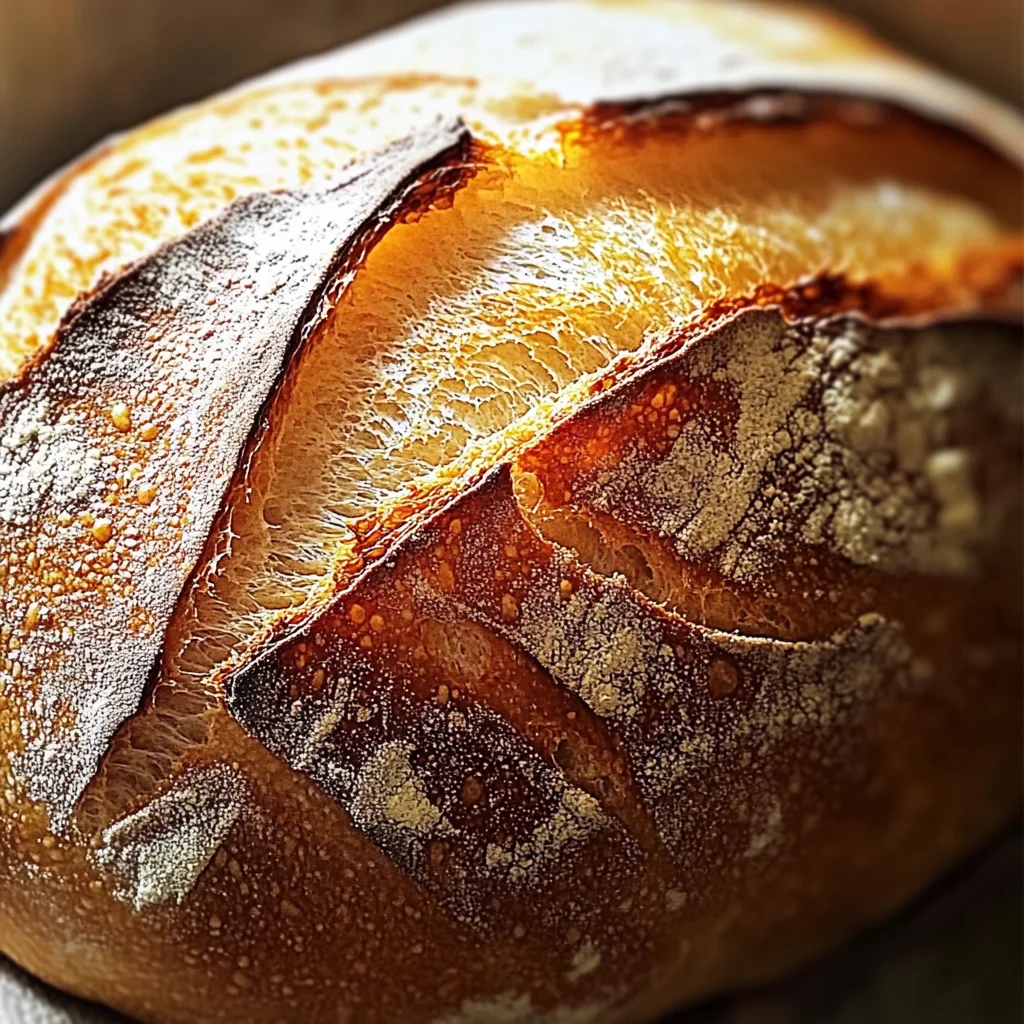
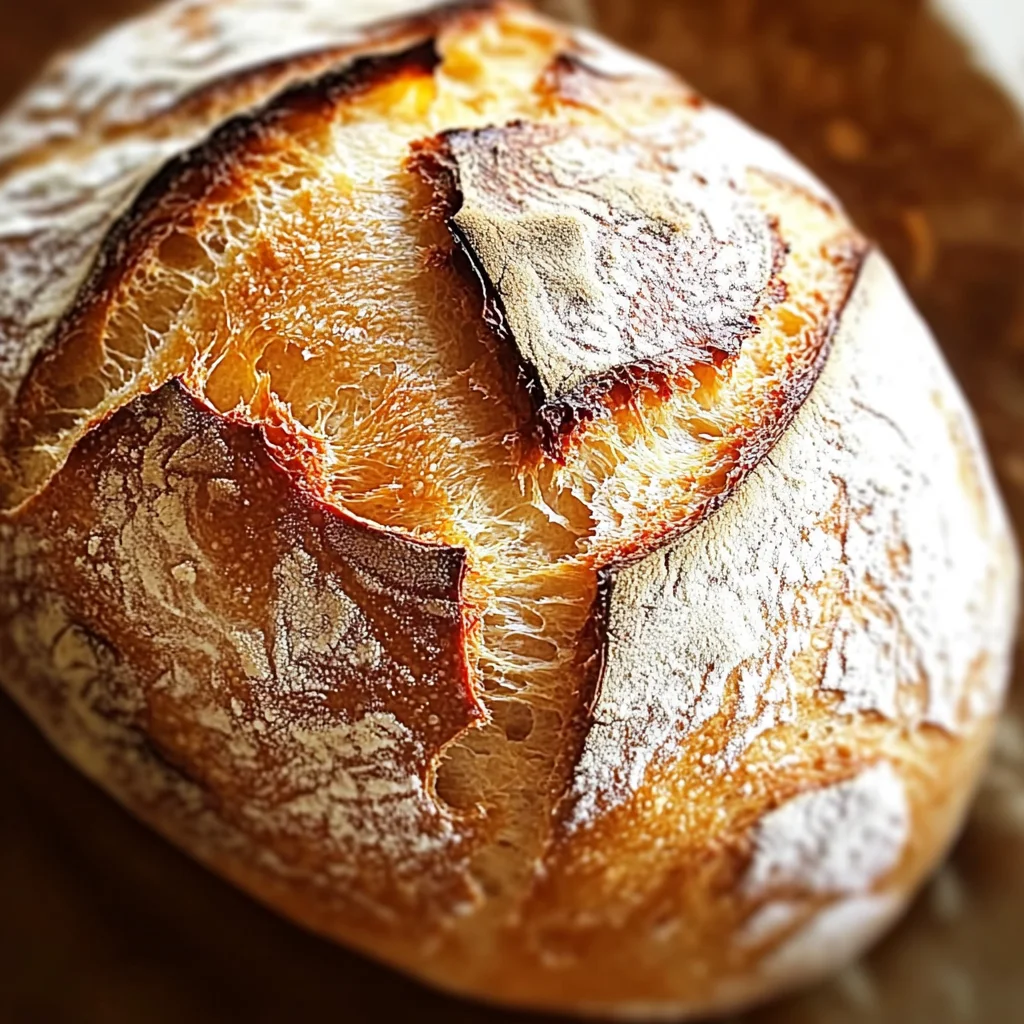
If you’re looking for a delicious, comforting bread that transports you to a cozy German bakery, you’ve come to the right place! This Rustic German Bread is my absolute favorite recipe to whip up on busy weeknights or for family gatherings. There’s something so special about the aroma of freshly baked bread wafting through your home. Its rustic, chewy texture and rich flavor make it perfect for pairing with hearty soups or simply enjoying with a pat of butter and a spoonful of jam. Trust me, once you try this recipe, it will quickly become a staple in your kitchen!
Why You’ll Love This Recipe
- Simple Preparation: With just a few straightforward steps, you’ll have homemade bread ready in no time.
- Family-Friendly: Everyone loves fresh bread! It’s perfect for kids and adults alike, making meal times more enjoyable.
- Versatile Pairings: Enjoy this bread with soups, stews, or as a side to any meal.
- Make Ahead: You can easily prepare the dough ahead of time and bake it fresh when you’re ready.
- Delicious Flavor: The combination of ingredients creates a rich taste that’s simply irresistible!
Ingredients You’ll Need
Making Rustic German Bread is all about using simple, wholesome ingredients that you likely have at home. Let’s gather what we need to create this delightful loaf!
- 350 ml water (room temperature)
- 1 tablespoon sugar
- 8 grams dry yeast
- 25 ml sunflower oil
- 500 grams flour (plus extra for dusting)
Variations
This Rustic German Bread recipe is wonderfully flexible! Feel free to get creative and customize it to suit your taste.
- Add Herbs: Try mixing in dried herbs like rosemary or thyme for an herby twist.
- Incorporate Seeds: Add sunflower seeds or sesame seeds into the dough for added texture and flavor.
- Try Whole Wheat Flour: Swap out some of the white flour for whole wheat flour to give it a nutty taste and boost the nutrition.
- Experiment with Shape: Instead of a traditional loaf, shape the dough into rolls or a round boule for fun presentation.
How to Make Rustic German Bread
Step 1: Prepare the Yeast Mixture
In a large bowl, pour 350 ml of water, add 1 tablespoon of sugar, and sprinkle in 8 grams of dry yeast. Stir gently until everything dissolves. Cover the bowl and allow it to sit for about 5 minutes until it’s frothy. This step is crucial because it activates the yeast, giving your bread that lovely rise.
Step 2: Combine Ingredients
Next, add 25 ml of sunflower oil into the yeast mixture. Gradually sift in 500 grams of flour while stirring continuously. Mixing these ingredients together until you form a sticky dough is essential; this is where all the magic begins!
Step 3: Let It Rise
Cover your bowl with a clean kitchen towel and let the dough rise in a warm area for about an hour or until it’s doubled in size. This rising time is important as it allows air bubbles to develop, creating that wonderful texture we love in rustic bread.
Step 4: Resting Time
After an hour, give the dough a gentle stir to release some of the air. Cover it again and let it rest for another 30 minutes. This resting period helps develop gluten, which gives your bread its structure.
Step 5: Shape Your Dough
Lightly flour your work surface and roll out the dough into a rectangle. Fold it over itself several times before letting it rest for an additional 10 minutes. Then shape it into your desired form—whether that’s a loaf, boule, or rolls—this is where you can get creative!
Step 6: Prepare for Baking
Place your shaped dough onto a lined baking tray. Use a sharp knife to make decorative slashes on top—this isn’t just pretty; it helps steam escape while baking! Preheat your oven to 230°C (446°F) so it’s hot and ready for baking.
Step 7: Bake Your Bread
Finally, pop your tray in the oven and bake for about 30-40 minutes until golden brown. The smell will be incredible! Once done, remove from the oven and cool on a wire rack before slicing into this beautiful creation. Enjoy warm or at room temperature as part of any meal!
Pro Tips for Making Rustic German Bread
Baking bread at home can be a delightful experience, and with a few simple tips, you can elevate your rustic German bread to the next level!
- Use fresh yeast: Fresh yeast can significantly enhance the flavor and rise of your bread. Be sure to check the expiration date for optimal results.
- Control the temperature: A warm environment helps yeast thrive. If your kitchen is cool, consider placing the dough in an oven with just the light on or near a warm window to encourage rising.
- Don’t rush the rise: Allowing your dough to rise fully develops its flavor and texture. Patience is key—let it double in size before shaping.
- Experiment with flour types: Different flours can add unique flavors and textures. Try incorporating whole wheat or rye flour for a heartier loaf!
- Cool before slicing: Letting your bread cool completely on a wire rack ensures that it will hold its shape when sliced, preventing gummy or doughy pieces.
How to Serve Rustic German Bread
This rustic German bread is not only a treat on its own but also pairs wonderfully with various garnishes and side dishes that complement its rich flavor.
Garnishes
- Butter: Spread a layer of creamy butter on warm slices for a classic combination that enhances the bread’s natural taste.
- Herb-infused oil: Drizzle some olive oil infused with fresh herbs like rosemary or thyme to add an aromatic touch.
Side Dishes
- Hearty vegetable soup: A bowl of chunky vegetable soup brings warmth and comfort, creating a perfect pairing for dipping.
- Mixed greens salad: A refreshing salad tossed with light vinaigrette balances out the dense bread beautifully.
- Roasted root vegetables: Caramelized carrots, beets, and potatoes provide a sweet contrast that complements the rustic flavors of the bread.
- Hummus or bean dip: A smooth hummus or hearty bean dip adds protein and flavor, making it great for sharing during gatherings.
Enjoy this rustic German bread as an inviting centerpiece for your meals, bringing friends and family together around comforting flavors!
Make Ahead and Storage
This Rustic German Bread is fantastic for meal prep! You can easily make it ahead of time and enjoy it fresh throughout the week. Here’s how to store it properly for maximum freshness:
Storing Leftovers
- Store the bread in a paper bag at room temperature for up to 3 days.
- For longer shelf life, wrap it in plastic wrap or aluminum foil.
- Avoid storing the bread in the refrigerator, as this can dry it out.
Freezing
- Slice the bread before freezing to make it easy to grab just what you need.
- Wrap slices or the whole loaf tightly in plastic wrap, then place them in a freezer-safe bag.
- The bread can be frozen for up to 3 months without losing flavor.
Reheating
- To reheat, preheat your oven to 180°C (350°F).
- Place the bread directly on the oven rack for about 10-15 minutes until warmed through.
- For a quick option, toast individual slices in a toaster until crispy.
FAQs
Here are some common questions about making Rustic German Bread that might help you along the way!
Can I use whole wheat flour instead of regular flour for Rustic German Bread?
Yes! You can substitute whole wheat flour, but keep in mind that it may result in a denser loaf. You might want to mix half whole wheat and half all-purpose flour for a balanced texture.
How do I know when my Rustic German Bread is done baking?
Your bread is done when it turns golden brown on top and sounds hollow when tapped on the bottom. An internal temperature of about 90°C (190°F) indicates it’s fully baked.
What makes Rustic German Bread different from other types of bread?
Rustic German Bread has a chewy texture and hearty flavor due to its simple ingredients and traditional baking methods. Its crusty exterior and soft interior make it perfect for pairing with meals or enjoying on its own.
Can I add herbs or spices to my Rustic German Bread?
Absolutely! Feel free to experiment with adding herbs like rosemary or spices such as garlic powder to customize your loaf according to your taste preferences.
Final Thoughts
I hope this Rustic German Bread recipe brings warmth and joy into your kitchen! It’s not just about making bread; it’s about creating memories shared over delicious meals with loved ones. Enjoy every slice fresh out of the oven, complemented by butter or jam, and let this recipe become a cherished staple in your home. Happy baking!
Rustic German Bread
Rustic German Bread is a delightful homemade loaf that brings the warmth of a cozy German bakery right into your kitchen. With its crusty exterior and chewy texture, this bread pairs beautifully with soups, stews, or can be enjoyed simply with butter and jam. Its straightforward preparation makes it perfect for busy weeknights or family gatherings, and the aroma of fresh bread baking will fill your home with comfort. Once you try this recipe, it’s sure to become a cherished staple in your meal rotation.
- Prep Time: 10 minutes
- Cook Time: 40 minutes
- Total Time: 50 minutes
- Yield: Approximately 12 servings 1x
- Category: Bread
- Method: Baking
- Cuisine: German
Ingredients
- 350 ml water (room temperature)
- 1 tablespoon sugar
- 8 grams dry yeast
- 25 ml sunflower oil
- 500 grams flour (plus extra for dusting)
Instructions
- In a large bowl, mix the water, sugar, and dry yeast. Let it sit for about 5 minutes until frothy.
- Add sunflower oil to the yeast mixture and gradually sift in flour while stirring until you form a sticky dough.
- Cover the bowl with a towel and let the dough rise in a warm area for about an hour or until doubled in size.
- Gently stir the dough to release some air, cover again, and let it rest for another 30 minutes.
- Lightly flour your work surface and shape the dough as desired (loaf or rolls). Let it rest for another 10 minutes.
- Preheat your oven to 230°C (446°F) and place the shaped dough on a lined baking tray. Make slashes on top for steam to escape.
- Bake for 30-40 minutes until golden brown. Cool on a wire rack before slicing.
Nutrition
- Serving Size: 1 slice (50g)
- Calories: 140
- Sugar: 0g
- Sodium: 3mg
- Fat: 2g
- Saturated Fat: 0g
- Unsaturated Fat: 2g
- Trans Fat: 0g
- Carbohydrates: 27g
- Fiber: 1g
- Protein: 4g
- Cholesterol: 0mg