Asparagus Risotto Recipe
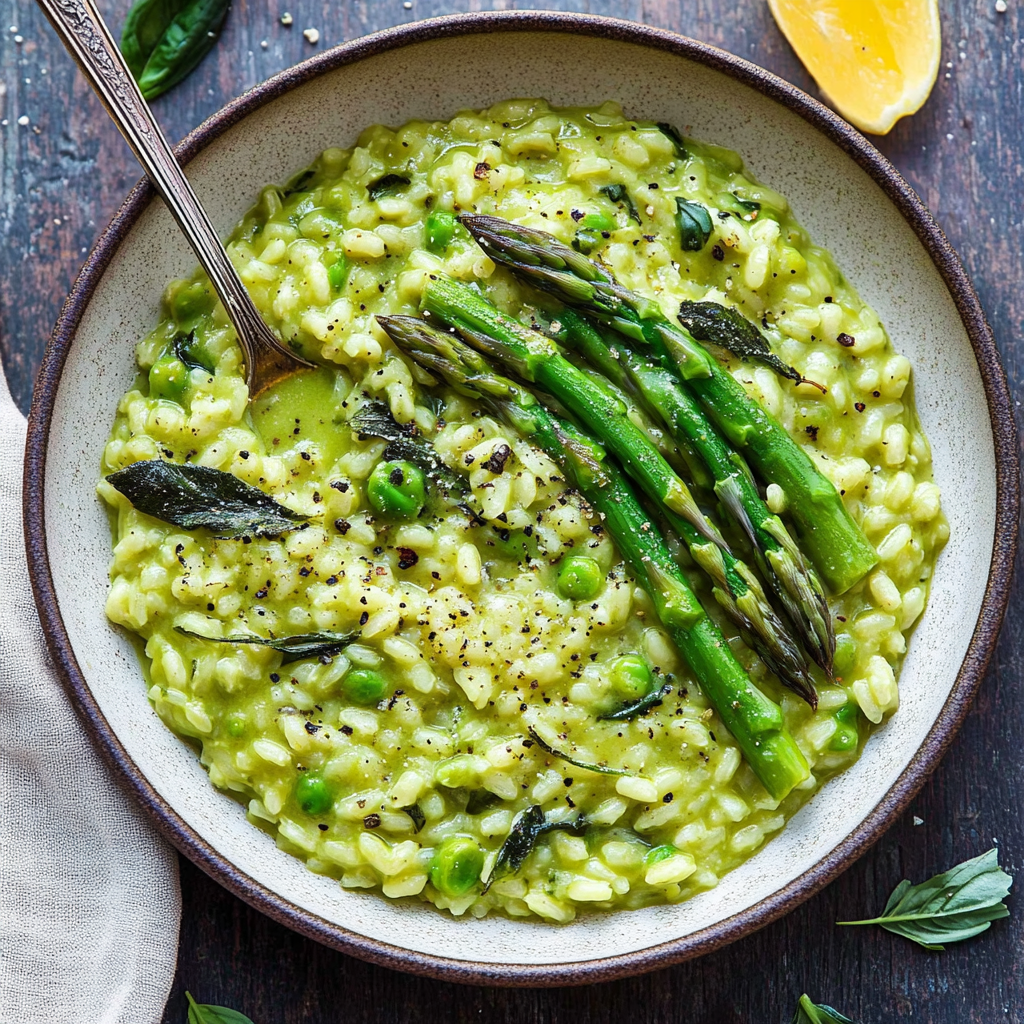
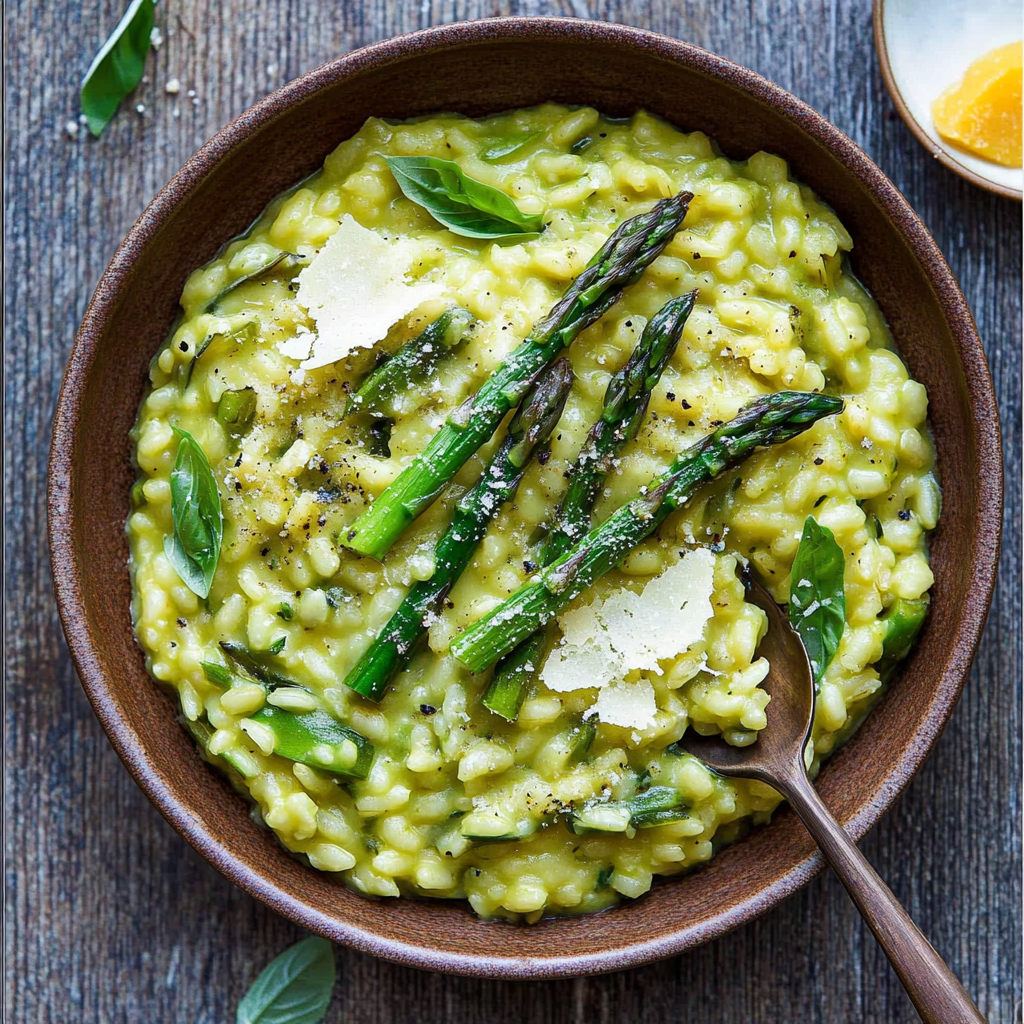
Ah, my dear friend, gather ’round because I’m about to take you on a delightful culinary adventure! Today, we’re diving into the vibrant world of Asparagus Risotto—a dish that captures the essence of spring in every creamy spoonful. This isn’t just any recipe; it’s a celebration of fresh, seasonal ingredients that come together to create a lush and comforting experience. Picture yourself sitting at a sun-drenched table, the scent of sautéed leeks and garlic wafting through the air, while bright green asparagus dances in harmony with zesty lemon and fragrant basil. Trust me when I say that each bite is like a warm hug from nature itself.
What makes this Asparagus Risotto Recipe truly special is its ability to bridge tradition and innovation. Risotto has long been a beloved staple in Italian kitchens—its creamy texture and rich flavors have enchanted many for generations. Yet, with a little twist of creativity and a splash of love, we can craft it into something extraordinarily refreshing! The way the asparagus melds into the rice creates not just color but also an intoxicating depth that keeps you coming back for more. It’s perfect for those cozy weeknight dinners or even as a standout dish for your next gathering with friends. So let’s roll up our sleeves and embark on this culinary journey together!
Asparagus Risotto Recipe: A Creamy Spring Delight
Welcome to your new favorite recipe! This Asparagus Risotto is not only visually stunning but also incredibly satisfying to make. You’ll find joy in every step as you watch simple ingredients transform into something spectacular. Let’s get started!
Ingredients:
As we embark on this culinary journey together, let’s take a moment to appreciate the star players in our Asparagus Risotto. Each ingredient has its own story to tell, contributing unique flavors and textures that will make your dish shine.
- 1 bunch asparagus: Fresh asparagus is truly the heart of this dish! Look for vibrant green stalks that are firm yet tender; they should snap easily when bent—this tells you they’re fresh! The flavor is subtly sweet and grassy, which brings life to our risotto. When preparing, don’t forget to trim away those fibrous ends; they can be tough and unpleasant. The tips are lovely garnishes and add a delightful crunch alongside the creamy rice.
- 1 large leek (or white onion, diced): Leeks add such a delicate sweetness compared to regular onions—they’re like nature’s secret weapon in savory dishes! When selecting leeks, choose ones that are firm with no soft spots, as these are signs of freshness. Rinse them thoroughly after slicing since dirt often hides between their layers. Sautéing leeks until soft allows them to release their natural sugars, creating that wonderful base flavor for our risotto.
- 4 tablespoons olive oil, divided: Olive oil is liquid gold in Mediterranean cooking! We’ll use it both for sautéing our aromatics and drizzling at the end for an extra layer of richness. Choose high-quality extra virgin olive oil—it should smell fresh and fruity rather than overly bitter or rancid. It enhances every ingredient’s flavor while providing healthy fats essential for our bodies.
- 4 garlic cloves, rough chopped: Ahh, garlic—the magical ingredient that can turn anything from mundane to magnificent! Chopping it roughly allows some pieces to caramelize while others maintain their pungency during cooking—a beautiful balance that adds depth to our risotto.
- 1 cup arborio rice: Arborio rice is the classic choice for risotto due to its high starch content—this is what gives us that coveted creamy texture without needing cream! When choosing your rice, look for plump grains; they should feel slightly sticky but not mushy when cooked properly. Remember not to rinse it before adding it to our pot; we want all that starchiness!
- 1/4 cup white grape juice (optional): This might seem unusual, but adding a splash of white grape juice offers a hint of sweetness that beautifully balances out the dish’s flavors! If you prefer not to use it or can’t find it, feel free to skip this step altogether; the risotto will still be deliciously vibrant.
- 3 1/2 cups hot vegetable broth: Homemade broth would be ideal here—it infuses your risotto with rich flavors—but store-bought works beautifully too! Heat your broth separately so it’s ready when you need it; this helps maintain an even cooking temperature for the rice.
- 1/2 cup basil leaves (or sub flat-leaf parsley): Fresh basil provides an aromatic brightness that elevates this dish from good to extraordinary! When using basil, tear or chiffonade it instead of chopping too finely; this helps release those fragrant oils without bruising the leaves too much.
- 1 lemon, zest and juice to taste: The zest adds an incredible fragrance while squeezing fresh lemon juice at the end brightens everything up! Choose organic lemons if possible since we’ll be using their skin—look for ones that are heavy for their size with smooth skin; these are usually juicier!
- 1/2 teaspoon salt, more to taste: Salt enhances flavors remarkably well but must be used judiciously here since broths often contain sodium already. Taste as you go; adjusting seasoning at each stage makes all the difference!
- 1/4 teaspoon pepper: Freshly cracked black pepper rounds out flavors beautifully—don’t skimp on this small yet mighty ingredient!
- Optional Garnish: For finishing touches full of flair—grate some pecorino cheese if desired (it adds richness!), sprinkle with lemon zest for brightness, or garnish with chili flakes if you enjoy heat. Toasted pine nuts or other seeds add crunchiness too—endless possibilities await!
Equipment You’ll Need:
Before we dive into making this delectable Asparagus Risotto Recipe, let’s gather our trusty tools—having the right equipment can truly make all the difference in your cooking experience! While these items may not be ingredients themselves, they play vital roles in crafting something wonderful together.
- Large pot or Dutch oven: A sturdy pot is essential for even heat distribution while cooking your risotto. Its depth allows enough space for stirring without spilling over as we add broth gradually—a non-negotiable component of achieving perfectly creamy results!
- Wooden spoon or spatula: A wooden spoon not only feels great in hand but also prevents scratching on non-stick cookware if you’re using one. Stirring frequently helps release starch from arborio rice—this step transforms our dish into liquid gold consistency.
- Cutting board & chef’s knife: A sharp knife makes prep work enjoyable rather than tedious—it effortlessly glides through vegetables like leeks and asparagus while ensuring uniform cuts which cook evenly.
- Blender or immersion blender: For creating that silky asparagus puree which will elevate our risotto’s creaminess factor exponentially! If using an immersion blender directly in your pot saves cleaning time afterward—a win-win situation!
Now that we’re equipped with knowledge about our ingredients and tools let’s start bringing this beautiful Asparagus Risotto Recipe to life!
Step 1: Blanching Asparagus
Begin by filling a small pot with salted water—don’t skimp on salt here; think ocean water levels! Bring it up to boil while getting ready for your lovely asparagus stalks by trimming off those fibrous ends—you want tender bites throughout without any chewy distractions ruining our experience later on. Simply break an end off with your fingers first; wherever it snaps cleanly indicates where you’ll cut away any tough bits. Next comes slicing off those pretty tips (about 1½ inches) which will stay intact as beautiful garnishes later on while cutting remaining middles into 1-inch segments before setting aside 1½ cups worth specifically meant for blending into pureed sauce goodness later down the line!
Once boiling furiously like an excited simmering cauldron waiting patiently below bubbling frothiness from heatwaves above—all set? Toss those middle pieces carefully inside (leaving tips untouched) allowing them just enough time (about 5 minutes max) until bright green color emerges signaling tenderness has been achieved without losing vibrancy—not so long they become mushy either now… Drain promptly reserving one cup liquid goodness nearby then toss everything straight into blender along with two tablespoons olive oil plus half cup basil leaves whirling around until silky-smooth perfection reveals itself proudly awaiting incorporation once again within glorious risottos’ embrace shortly thereafter…
Step 2: Sautéing Aromatics
Time now moves onto preparing aromatic foundations starting off by finely slicing leeks into half-moons whilst rinsing away hidden dirt nestled among layers—a crucial step ensuring nothing scorches during sautéing process down below later on when introducing garlic soon after alongside two tablespoons remaining olive oil heating gently over medium-low flame inside large pot previously selected earlier keeps things moving smoothly ahead amidst fragrant wafts surrounding kitchen atmosphere as senses awaken anew beckoning comfort food vibes throughout each corner… Add sliced leeks followed quickly behind by rough-chopped garlic allowing everything mellow beautifully together until softened becoming fragrant perhaps around five minutes tops keeping stirring occasionally lest any scorch occurs beneath gentle flames inviting warmth enveloped evermore…
Step 3: Toasting Arborio Rice
Next up arrives unforgettable moment where arborio rice joins party adding texture transforming mere vegetables slowly evolving right before eyes into luscious dreamscape awaiting discovery beyond mere mortal expectations… Pour entire cup freshly measured straight onto sautéed aromatics stirring vigorously ensuring each grain gets coated well amid golden hues enveloping surroundings inviting curiosity abound throughout kitchen atmosphere beckoning hungry souls towards completion upon horizon ahead anticipating warmth filling bellies completely satisfied… Allow mixture resting calmly upon low-medium heat whilst deglazing pan bottom lovingly next using optional white grape juice if desired assisting us scraping up flavorful bits left behind moments ago creating symphony across palate soon enough once one cup hot veggie broth follows suit poured directly atop absorbent grains soaking deeply absorbing essence entirely inviting harmony amongst contrasting components astirly mingling gracefully…
Step 4: Adding Broth Gradually
Patience becomes paramount here friends—resist urge rushing headlong forward instead savor lengthening moments stretching across horizon revealing masterpiece unfolding gradually under watchful gaze while stirring frequently enjoying rhythmic dance showcasing creamy transformations evolving before eyes tempting taste buds urging excitement forward evermore… Continue pouring additional hot veggie broth cup-by-cup each time letting mixture absorb fully prior moving onward repeating process diligently observing subtle changes along way perhaps noticing slight al dente firmness lingering pleasantly within grains texture emerging inviting satisfaction blooming forth simultaneously nurturing hearts meanwhile reminding self why slow-cooking methods matter especially true when crafting comfort dishes like these nourishing body soul alike reminding us good things come patience embracing rhythms nature wisely orchestrates across kitchen spaces ultimately culminating sensations awaited treasured moments shared around tables intimately gathered close celebrating life love laughter together forever etched memories cherished fondly thereafter…
Stay tuned as we continue through more steps bringing this enchanting recipe homeward bound soon ready delight plates awaiting eager hands reaching forth ready devour every last morsel lovingly prepared…
Step 5: Sauteing the Aromatics for Flavor Depth
Now that your leeks are rinsed and ready, it’s time to infuse our Asparagus Risotto with layers of flavor. Begin by thinly slicing the leeks into delicate half-moons; their sweet, mild onion flavor will be the backbone of this dish. Once sliced, give them a good rinse under cold water to wash away any stubborn grit that might be hiding in those crevices. This step isn’t just about cleanliness—it also prevents the leeks from burning when they hit the heat. Trust me when I say, there’s nothing worse than burnt garlic and leeks; they can turn your beautiful risotto into a bitter disaster.
In a sturdy pot or Dutch oven, heat 2 tablespoons of olive oil over medium-low heat. We’re going for a gentle sauté here; we want to coax out the natural sweetness of the leeks without rushing them. Add the leeks and garlic to the pot, allowing them to soften and become fragrant—a process that should take about 5 to 7 minutes. Keep stirring occasionally; you want to watch them transform from crisp and raw into tender and translucent, exuding an aroma that will make your kitchen feel like a cozy haven. This is absolutely paramount because this step sets the foundation for your risotto’s flavor profile—those sweet notes will meld beautifully with the creamy rice later on.
Step 6: Toasting Arborio Rice for Creaminess
With your leeks now softened and aromatic, it’s time to introduce the star of our show: arborio rice. This short-grain rice is known for its high starch content, which is key to achieving that creamy texture we all crave in a good risotto. Pour in 1 cup of arborio rice, stirring it around gently for about a minute until each grain is coated in that lovely olive oil and shimmer from the sautéed leeks. This technique is called “toasting,” and it’s crucial because it helps create a slight nutty flavor while also prepping the grains to absorb liquid more efficiently.
After you’ve toasted the rice, deglaze your pot with 1/4 cup of white grape juice if you’re using it—this adds a subtle sweetness and brightness that complements our asparagus perfectly. Allow this mixture to cook off completely; you’ll know it’s done when you no longer smell alcohol but rather a light fruity essence wafting through your kitchen. Now comes the important part: add in 1 cup of hot vegetable broth while scraping up any flavorful bits stuck at the bottom of your pot—these little treasures are packed with flavor! Bring everything to a gentle simmer over medium-low heat; this slow cooking process allows each grain of rice to absorb broth gradually while stirring often ensures even cooking.
Step 7: Building Creamy Texture with Gradual Broth Addition
This step is where the magic happens! Continue adding your hot vegetable broth one cup at a time—this methodical approach allows for complete absorption before adding more liquid. Picture this as coaxing out every ounce of creaminess from those precious grains! Stir consistently during this phase; you’ll want to keep an eye on texture—it should feel creamy yet slightly al dente when you taste it after about 20 minutes of cooking. At this point, don’t rush! Each stir releases starches from the rice, creating that lush, velvety consistency we adore in risotto.
As you approach the final addition of broth—about 1/2 cup left—carefully toss in those vibrant asparagus tips we set aside earlier. Let them cook gently within the risotto for about three minutes; these gorgeous green accents not only add color but also provide a delightful crunch against the creamy backdrop of rice. It’s essential at this juncture to ensure that your risotto remains slightly saucy since we’ll be adding that heavenly asparagus puree soon! The goal here is balance; if needed, adjust heat levels accordingly so things don’t boil too aggressively (a gentle simmer is what we’re after).
Step 8: Incorporating Asparagus Puree for Vibrant Color
Now comes one of my favorite moments—the moment where everything comes together in glorious harmony! Gently stir in your beautiful asparagus puree along with salt, pepper, and a squeeze of fresh lemon juice. Let me emphasize how transformative this step is: not only do we achieve an utterly intoxicating green hue that screams springtime freshness, but we also deepen our flavor profile dramatically! The puree will envelop every grain of that luscious arborio rice while contributing creaminess without any heavy dairy—how phenomenal is that?
As you mix everything together over low heat, keep tasting along the way! Adjust seasoning based on your preference—perhaps more salt or an extra squeeze of lemon juice? This stage allows you to personalize your dish fully; after all, food should reflect who you are as a cook! Keep an eye on consistency as well—you’re looking for something thick enough to hold its shape but not so thick that it loses its dreamy quality. If desired, heat gently until warmed through but be cautious not to overcook or lose out on that stunning vibrant color we worked so hard for!
Final Touches
As we wrap up our Asparagus Risotto recipe adventure, it’s time for those finishing touches that elevate this dish from delicious to extraordinary! Ladle generous portions into warm bowls; there’s something so comforting about serving risotto piping hot right out of pot. Now garnishing is where you can truly let your creativity shine! A sprinkle of freshly grated pecorino cheese will add depth and complexity—a luxurious touch that’s simply divine.
For added flair (and crunch!), consider drizzling some optional leek oil or even just high-quality olive oil across each serving—this little flourish enhances both appearance and flavor while making every bite feel special. A light dusting of lemon zest adds brightness while chili flakes provide just enough intrigue without overwhelming our primary flavors—after all, balance is key!
Serve alongside a glass of sparkling water infused with citrus slices or perhaps some simple greens dressed lightly with olive oil and balsamic vinegar—you’ll have yourself an elegant meal worthy of celebration!
And there you have it—the ultimate Asparagus Risotto recipe bursting with freshness and character! My friends often tell me how much they appreciate homemade dishes like these because they bring everyone together around one table filled with love—and I promise you will feel exactly that when you prepare this dish yourself! Enjoy every single bite—you’ve earned it!
Storage and Enjoyment Tips for Your Asparagus Risotto Recipe
Now that you’ve crafted this stunning Asparagus Risotto, it’s time to dig in and enjoy the fruits of your labor! This dish is a true showstopper, bursting with flavors that dance on your palate and a creaminess that hugs you like a warm embrace. But what if you find yourself with leftovers? Fear not, my friend! I’ve got some fantastic tips for preserving this vibrant masterpiece without losing an ounce of its delightful charm.
Storing Leftover Asparagus Risotto Recipe
To keep those delicious leftovers fresh, store your Asparagus Risotto in an airtight container. Glass containers work wonders because they don’t absorb odors and help maintain the risotto’s lovely texture. Make sure to refrigerate it promptly after it cools down, as this will keep it safe and delicious for up to three days. Pro tip: if you want to prevent the risotto from drying out, place a slice of bread on top before sealing the container; it acts like a magical sponge, absorbing excess moisture while keeping your risotto creamy! When you reheat your risotto, just add a splash of vegetable broth or water to revive its luscious consistency, stirring gently over low heat until warmed through. Trust me, even after storage, it retains that beautiful asparagus flavor—a joy for your taste buds!
Freezing Component for Later
If you’re looking to extend the life of your culinary creation even further, consider freezing the asparagus puree separately. This step is super simple and will give you a delightful boost when you’re ready to whip up another batch of risotto in the future. Just pour the creamy puree into ice cube trays or small freezer bags—each portion should be about half a cup if possible—and freeze them flat for easy stacking. Your frozen puree will stay fresh for about three months! When you’re ready to use it, simply thaw it overnight in the fridge or pop it into a pot straight from the freezer while preparing fresh risotto. Imagine having that vibrant flavor on hand whenever you crave a comforting bowl of homemade goodness—that’s convenience at its finest!
Asparagus Risotto
Embark on a delightful culinary journey with this Asparagus Risotto, where the essence of spring is captured in every creamy spoonful. This dish combines fresh asparagus with aromatic leeks and zesty lemon, creating a vibrant meal that delights the senses. The high-starch arborio rice turns luscious and velvety, making it the perfect comfort food for cozy weeknight dinners or elegant gatherings. Enjoy the bright flavors of this dish while delighting in its simple preparation—it’s a wonderful way to celebrate seasonal ingredients!
- Prep Time: 15 minutes
- Cook Time: 30 minutes
- Total Time: 45 minutes
- Yield: Serves 4
- Category: Dinner
- Method: Stovetop
- Cuisine: Italian
Ingredients
- 1 bunch asparagus
- 1 large leek (or white onion), diced
- 4 tablespoons olive oil, divided
- 4 garlic cloves, rough chopped
- 1 cup arborio rice
- 3 1/2 cups hot vegetable broth
- 1/2 cup fresh basil leaves
- Juice and zest of 1 lemon
- Salt and pepper to taste
Instructions
- Blanch asparagus in salted boiling water for about 5 minutes, then drain and set aside.
- In a large pot, heat 2 tablespoons of olive oil over medium-low heat. Sauté leeks and garlic until softened (5–7 minutes).
- Stir in arborio rice and toast for 1 minute until coated.
- Deglaze with white grape juice (optional) and allow it to evaporate.
- Gradually add hot vegetable broth one cup at a time, stirring frequently until absorbed before adding more.
- When nearing completion, mix in asparagus tips for crunch.
- Stir in the asparagus puree, salt, pepper, lemon juice, and zest until well combined.
- Serve warm and garnish as desired.
Nutrition
- Serving Size: 1 serving
- Calories: 320
- Sugar: 3g
- Sodium: 550mg
- Fat: 10g
- Saturated Fat: 1g
- Unsaturated Fat: 9g
- Trans Fat: 0g
- Carbohydrates: 50g
- Fiber: 3g
- Protein: 8g
- Cholesterol: 0mg